
Are you holding back your pricing because you're worried competitors will use it against you? Are you avoiding honest comparisons because you think it'll scare buyers off?
If so, you're likely losing high-intent buyers, extending your sales cycle, and forcing your team to answer the same questions over and over again.
Industry data shows that fewer than 10% of businesses address pricing on their website, meaning 90% are turning away buyers at the exact moment of highest intent.
Here's what you'll learn:
- What business information you should share (and what to protect)
- Why sharing your pricing and business information increases trust and revenue
- A 4-step framework to implement it in your business
Key takeaways
- Sharing your pricing, processes, and limitations builds more trust than hiding them, and attracts better-qualified buyers.
- Fewer than 10% of businesses address pricing on their website, meaning 90% are turning away high-intent customers.
- A single article on pool pricing generated $45 million in revenue for one business over three years.
- The information buyers most want: costs, comparisons, and problems, is not trade-secret material. It's just uncomfortable to share.
- A 4-step transparency strategy can shorten your sales cycle and significantly improve your close rate.
What does sharing business 'secrets' actually mean?
Sharing your pricing and business information means openly publishing what your customers are already searching for: pricing, processes, limitations, and honest comparisons.
It has nothing to do with handing rivals your proprietary formulas. It means answering the questions buyers are typing into Google before they ever pick up the phone.
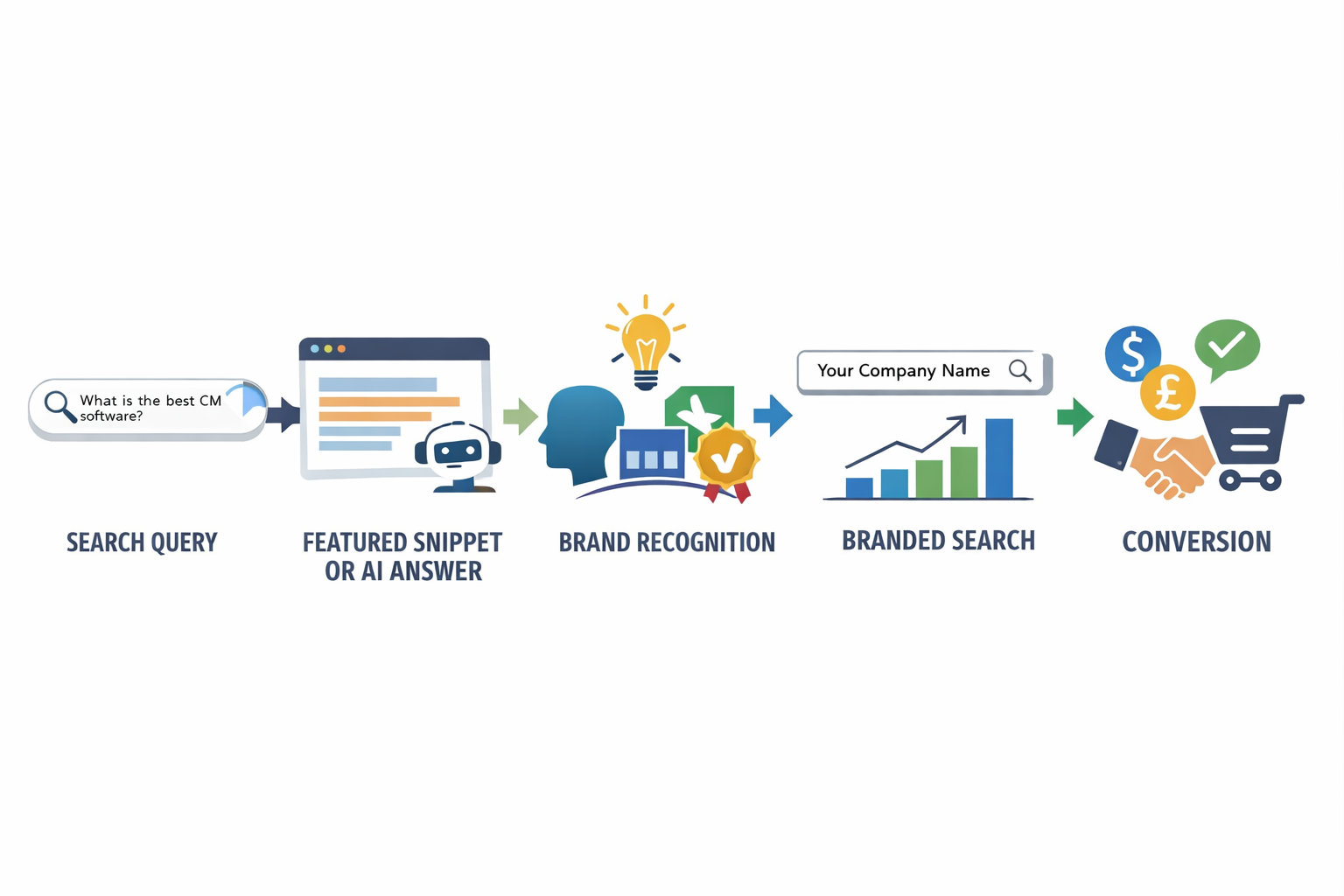
According to Google's concept of the Zero Moment of Truth, around 80% of a buying decision is made online before a prospect makes first contact. By the time someone reaches you, they've already formed a view of your business based on what they could, or couldn't, find.
If your website doesn't answer their questions, a competitor's will.
There's an important line between what buyers need to make an informed decision and what counts as genuine intellectual property. We'll draw that clearly in a moment.
 The three fears that keep businesses silent, and why they're wrong
Most businesses stay quiet for three reasons, and each one is costing them far more than openness ever would.
-
Fear #1: "Competitors will use it against us." Your competitors already have a rough idea of what you charge. And unlike your customers, they don't pay your bills. Being the business willing to be open positions you as the industry leader, not the follower.
-
Fear #2: "We'll scare prospects away." Buyers aren't scared by pricing. They're scared by the absence of it. According to Edelman, 81% of consumers say they need to trust a brand before they'll buy from it. Hiding information destroys that trust before you've had a single conversation.
-
Fear #3: "It'll make us look unprofessional." The opposite is true. Addressing your pricing, problems, and limitations openly signals confidence, credibility, and genuine customer focus.
Your competitive advantage should come from your quality and service, not from withholding information buyers can find elsewhere.
The bottom line: every fear that keeps you silent is costing you buyers who are actively searching for what you offer.
The real cost of not sharing pricing and information online
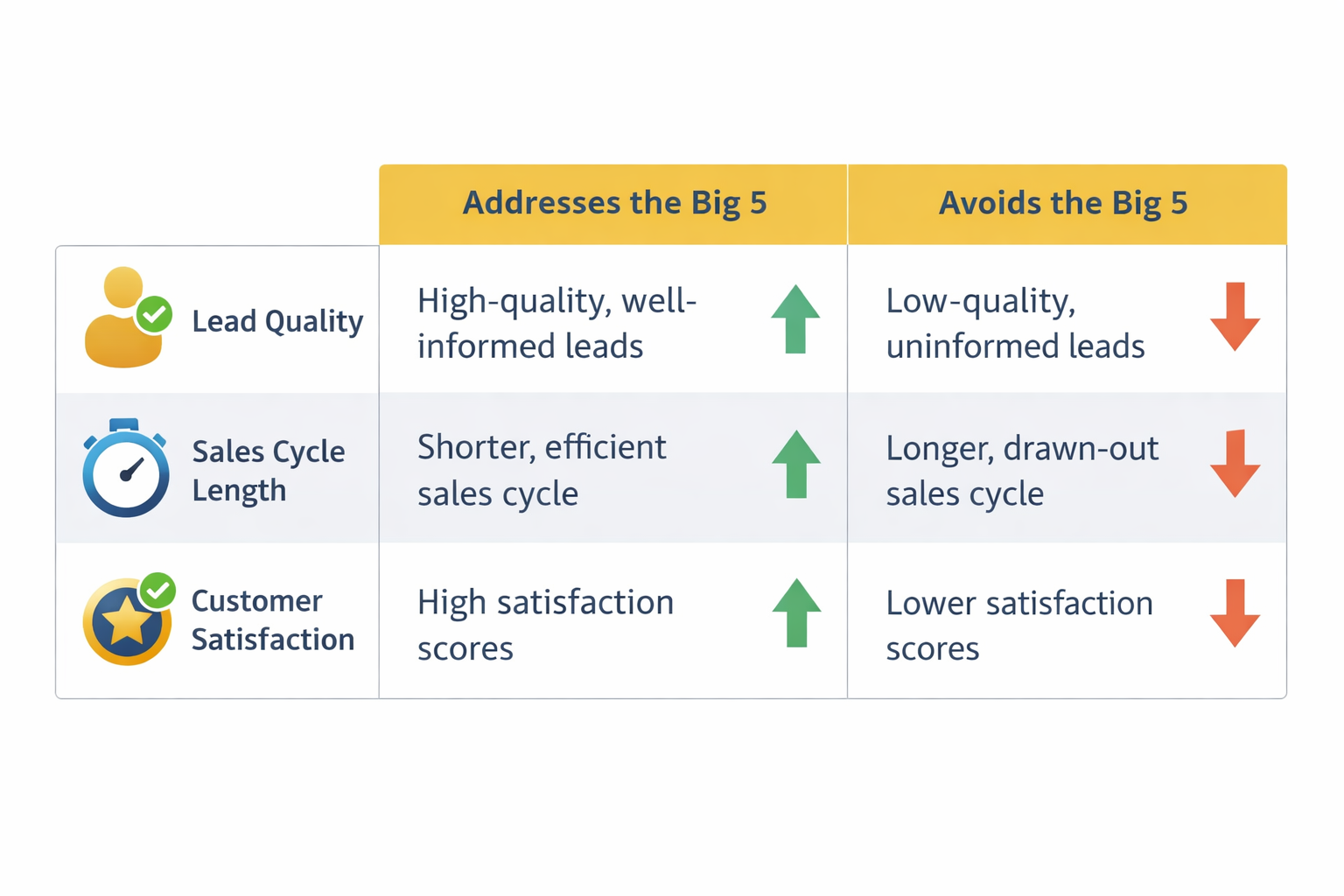
Hiding your pricing and processes doesn't protect your business; it quietly drives buyers to competitors who are willing to answer their questions.
Fewer than 10% of businesses worldwide address pricing on their website. That means 90% are pushing potential customers away at the moment of highest buying intent.
| The cost of secrecy | The benefit of openness |
|---|---|
| Lost leads; buyers leave for answers elsewhere | Pre-qualified buyers who already understand your value |
| Longer, more laborious sales conversations | Shorter cycles; the basics are covered before you speak |
| Lower close rates; too much uncertainty | Higher close rates; buyers arrive informed and confident |
| Weaker brand trust | Stronger market credibility and authority |
| Price-focused tyre-kickers | Value-focused, serious buyers |
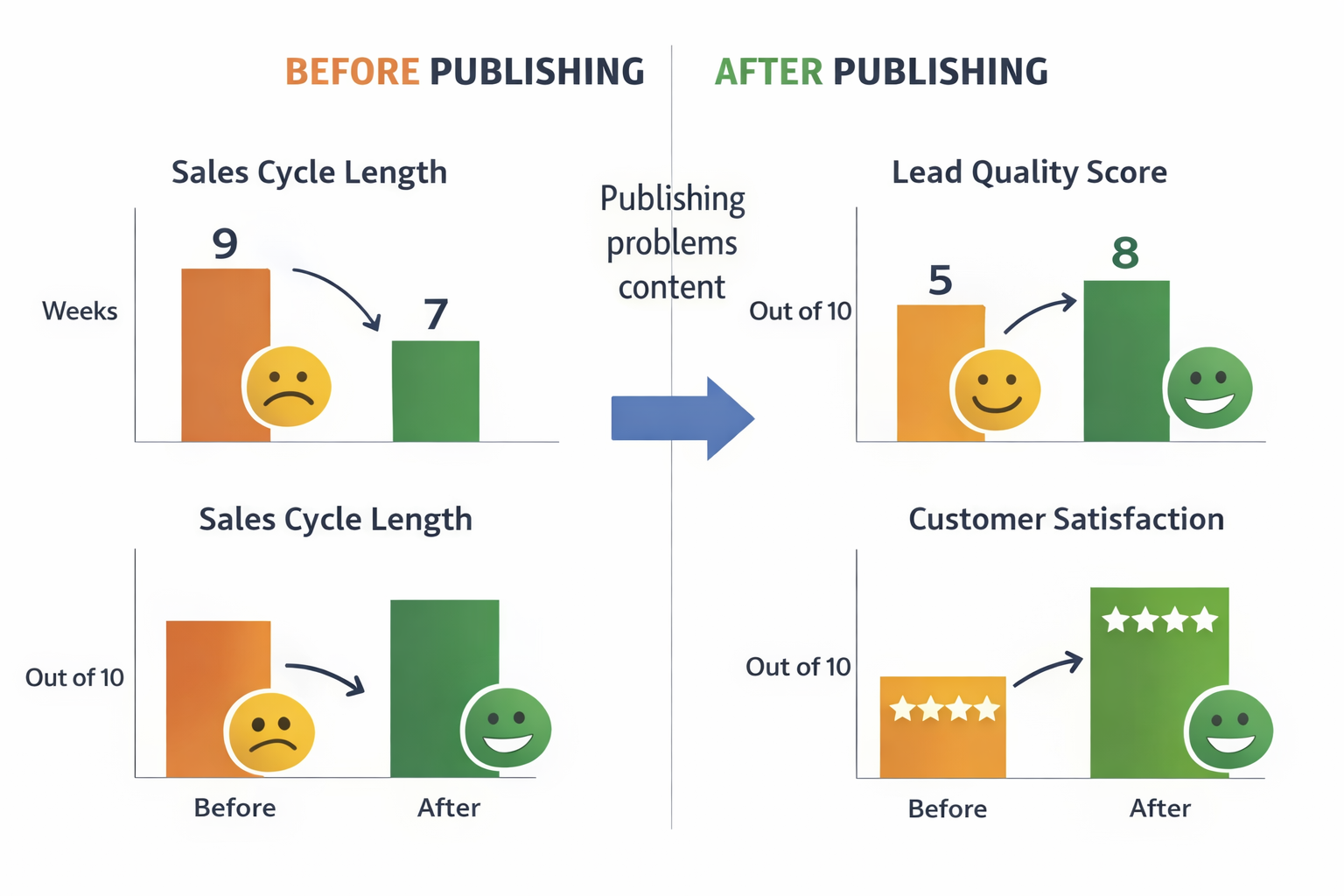
Every unanswered question on your website is an open door for a competitor who will answer it.
Where's the line between transparency and giving away too much?
The line sits between what buyers need to make an informed decision and what counts as true intellectual property.
In practice, the information most businesses guard most tightly is exactly what customers most want to know, and it isn't trade-secret material. It's just uncomfortable to share.
| Share this openly | Protect this genuinely |
|---|---|
| Pricing ranges and cost factors | Client lists and personal data |
| Product or service limitations | Patented methods or formulas |
| Honest competitor comparisons | Confidential financial information |
| How your process works | Proprietary internal systems |
| Who you're not right for | Sensitive commercial agreements |
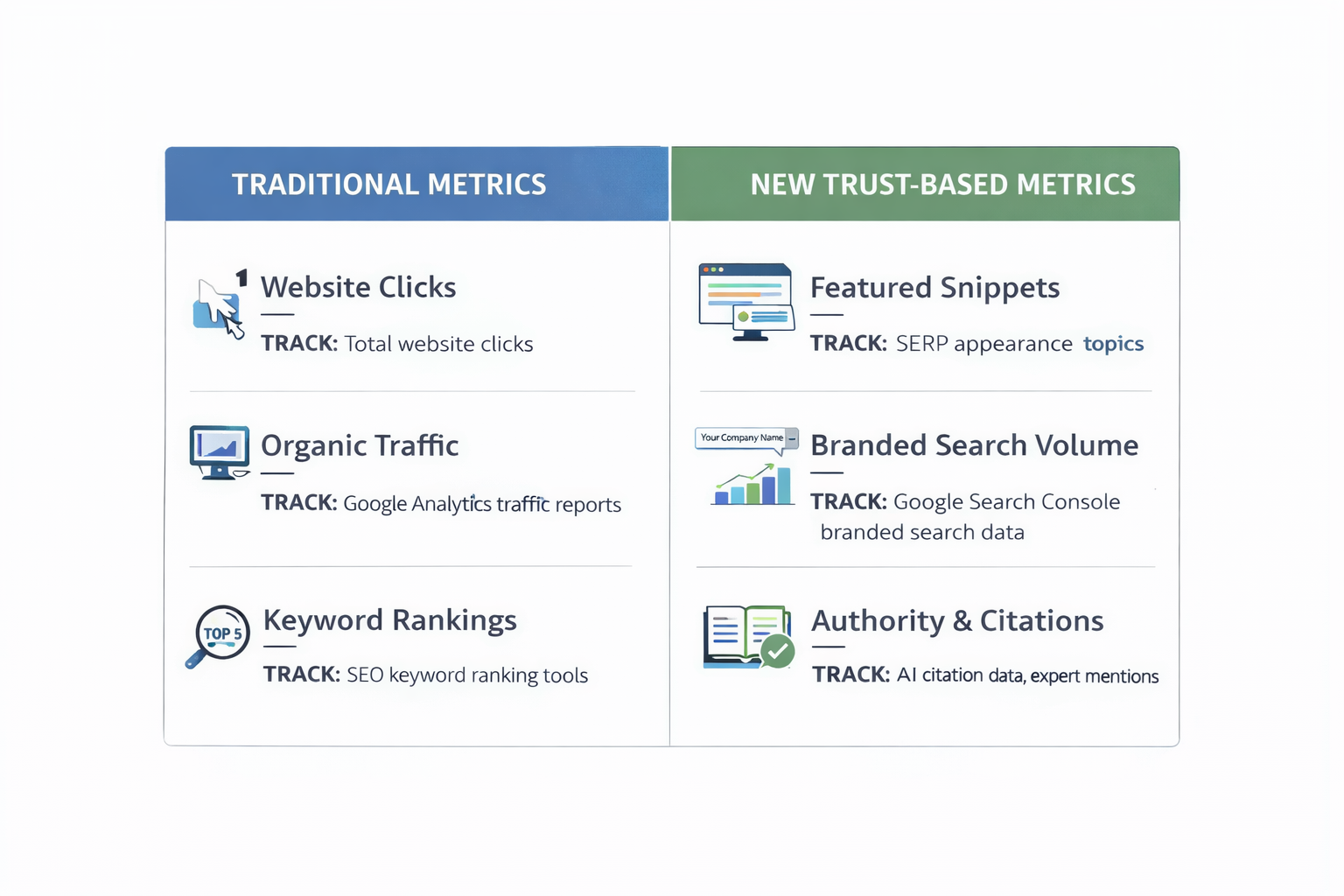
The rule of thumb: if a buyer needs it to make a decision, share it. If a competitor needs it to replicate you, protect it.
Transparency is about earning buyer confidence, not dismantling your competitive position.
The Big 5 content types that build trust (and why they work)
The five content types that build the most trust when published openly map directly onto the Big 5 buying topics, the questions buyers are actively searching for before making a purchase decision across every industry.
-
Cost and pricing: The most-searched buying question in almost every industry. Explain what drives your costs up or down, even if you can't give an exact figure. A range is far better than silence. Example: "How much does a new website cost? A transparent guide for UK businesses."
-
Problems and limitations: Buyers search for "problems with [product]" before they buy. Write honestly about what can go wrong, or who your product isn't suited to. Example: "Is [Product] Right for You? 5 situations where it probably isn't."
-
Honest comparisons: "X vs Y" is one of the most common search formats at decision stage. Compare your offer against alternatives without claiming you're right for everyone. Example: "Us vs. Them: An honest comparison of our consultancy against the main alternatives."
-
Your process: Buyers searching "how does [service] work" want to de-risk their decision. Show them what working with you actually looks like, step by step. Example: "What happens after you contact us: our onboarding process explained."
-
Best-fit guidance: Buyers want to know if they're the right customer before they enquire. Define your ideal customer clearly and say outright who you're not suited to. Example: "Who we work best with — and who we're probably not right for."
Buyers who find this content on your site arrive pre-educated, pre-qualified, and far closer to a decision.
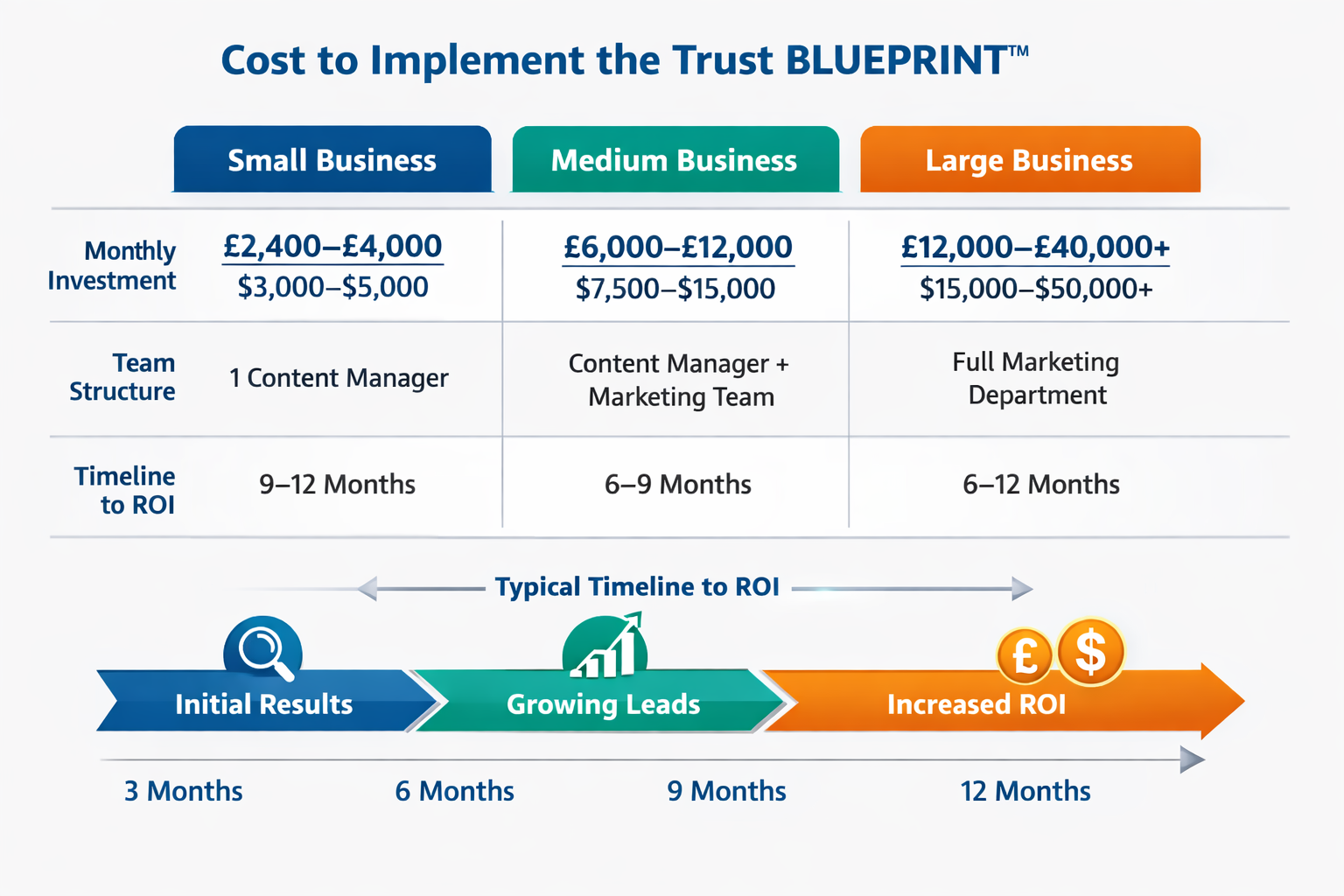
How to start sharing strategically: a 4-step approach
A strategic transparency approach starts with listing the questions your sales team hears most often, then creating honest content that answers each one directly.
Step 1: List your buyers' top questions. Sit with your sales team and write down every question prospects ask before, during, and after the sales process. Aim for at least 20. These questions are the foundation of your entire content strategy.
Step 2: Audit what you already cover. Check your website against that list. Mark the gaps, these are your biggest opportunities. Most businesses find they're answering fewer than a third of the questions on that list.
Step 3: Create honest content for each gap. Write articles, record videos, or build dedicated pages that answer each question directly. Don't soften the difficult ones, those are the ones buyers most need answered.
Step 4: Integrate content into sales. Send relevant articles as pre-meeting reading, a practice known as Assignment Selling, sending educational content to prospects before sales conversations so they arrive informed and ready to decide. When River Pools and Spas implemented this, their closing rate soared to 95% and their sales cycle shortened by 75%.
This process, the foundation of the Endless Customers System™, turns your website into your best salesperson.
Real results: what happens when businesses embrace transparency
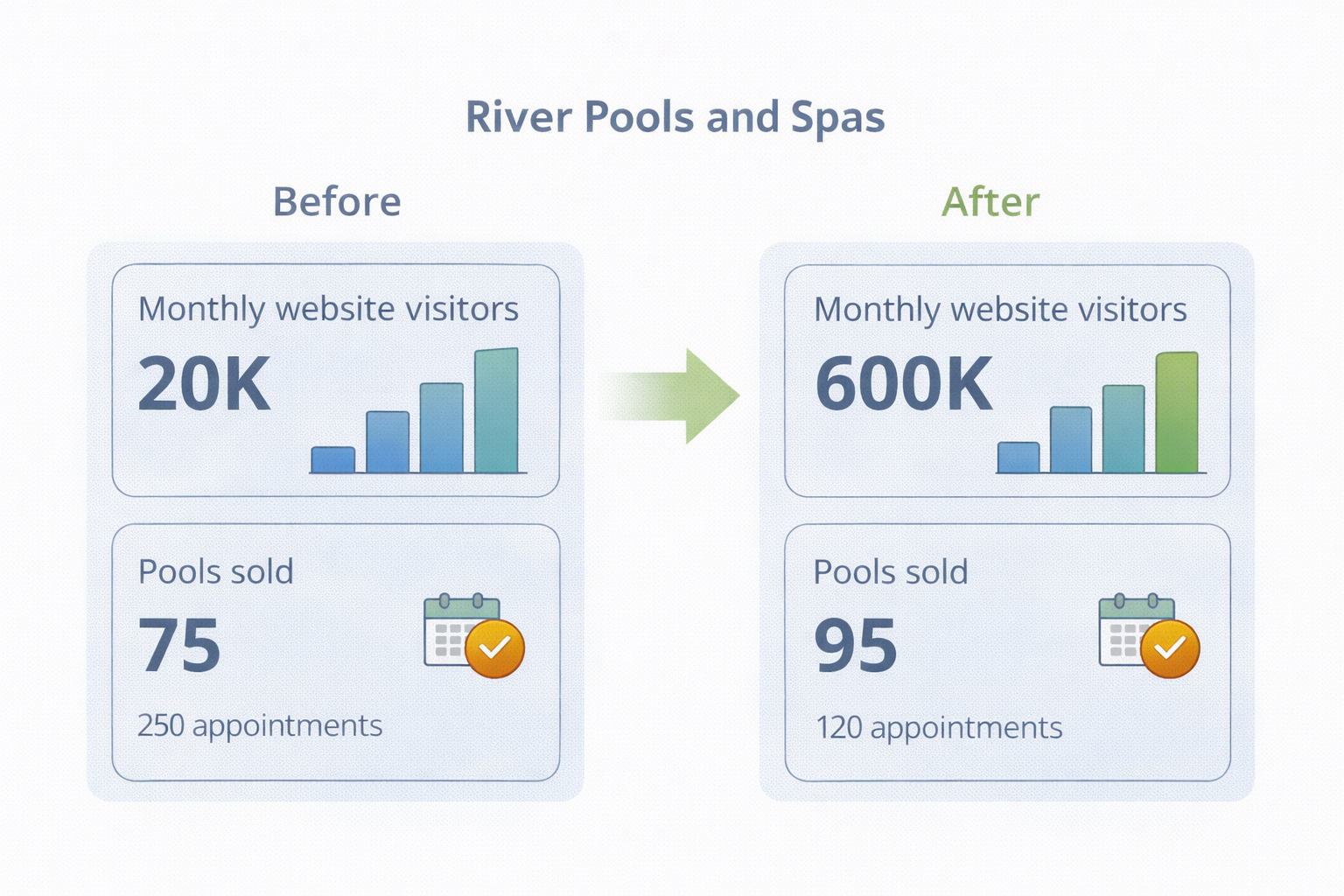
When Marcus Sheridan published a single article about fiberglass pool costs during the 2008 recession, it ranked number one on Google within 48 hours and generated $45 million in revenue over three years.
Here's the full picture of what that transparency strategy delivered for River Pools and Spas:
- Monthly website visitors grew from 20,000 to 600,000, making it the most-visited swimming pool website in the world
- The average customer reads 105 pages of the website before making a purchase
- Sales efficiency improved dramatically: 120 appointments to sell 95 pools, down from 250 appointments to sell 75
- Assignment Selling reduced the sales cycle by 75% and pushed the closing rate to 95%
None of this came from increased ad spend. It came from answering the questions competitors were too afraid to touch.
Frequently asked questions about sharing pricing and business information online
How do I share pricing on my website without committing to a fixed price?
You don't need to publish an exact price list; you need to give buyers enough context to self-qualify. Start by explaining the key factors that affect cost (project size, complexity, timeline, materials) and publish a realistic range based on common scenarios. A page titled "How much does [your service] cost?" that walks through cost drivers and gives honest ranges will outperform a blank contact form every time.
Will sharing pricing drive customers to cheaper competitors?
Buyers who leave solely because of price were unlikely to convert into good customers anyway. Transparent pricing attracts value-focused buyers and filters out tyre-kickers, giving your sales team a shorter, higher-quality pipeline to work with.
What if competitors just copy everything I publish?
Competitors can copy your words, but they cannot copy your culture, your track record, or your consistent commitment to honesty. Over time, your authentic body of content becomes a differentiator they can't replicate.
Does this approach work in B2B and professional services?
Yes. B2B buyers often conduct even more research before making contact than consumers do. The same Big 5 principles apply whether you're selling software, consultancy, or professional services. Industries from IT to healthcare have used this approach with strong results.
How long does it take to see results from a transparency strategy?
Most businesses see measurable improvements in lead quality within 3–6 months, with stronger traffic and conversion gains building over 12–18 months. This is a long-term strategy, honest content compounds over time in a way that paid advertising never can.
What you now know, and what to do next
You came here wondering whether transparency would hurt your business. The evidence points clearly in one direction: silence is the bigger risk.
For many businesses, that silence leads to missed opportunities, longer sales cycles, and prospects choosing competitors who were simply more helpful.
You now know what to share, what to protect, and how to build a content strategy that pre-qualifies buyers before they ever speak to you. The businesses winning in their markets right now are not necessarily the biggest, they're the most helpful and the most honest.
How to take action now:
- Write down the 20 questions your sales team hears most often from prospects
- Audit your website; mark every question that currently goes unanswered
- Prioritise the Big 5: cost, problems, comparisons, process, and best-fit
- Start with one honest, transparent piece of content and track the response
- Consider how Assignment Selling could shorten your next sales conversation
This is exactly how I help businesses turn their websites into revenue-driving sales tools, building content that answers buyer questions, builds trust, and consistently shortens the sales cycle.
Ready to build a marketing system rooted in transparency? Let's talk.

About the author
Tom Wardman is a marketing consultant and Endless Customers System™ practitioner who helps business owners build trusted brands through buyer-focused, transparent marketing. With experience across B2B services, professional services, and agency environments, Tom combines proven frameworks with hands-on implementation to turn marketing into a reliable source of growth. Services range from done-for-you marketing to team training, starting from £1,500 (~$1,875) per month.
Pricing disclaimer: All GBP–USD price conversions are rounded estimates and correct at the time of publishing. Exchange rates fluctuate and figures should be treated as indicative only.
Topics: