
Why don't most businesses talk about the things their customers care most about?
And what happens when you actually do?
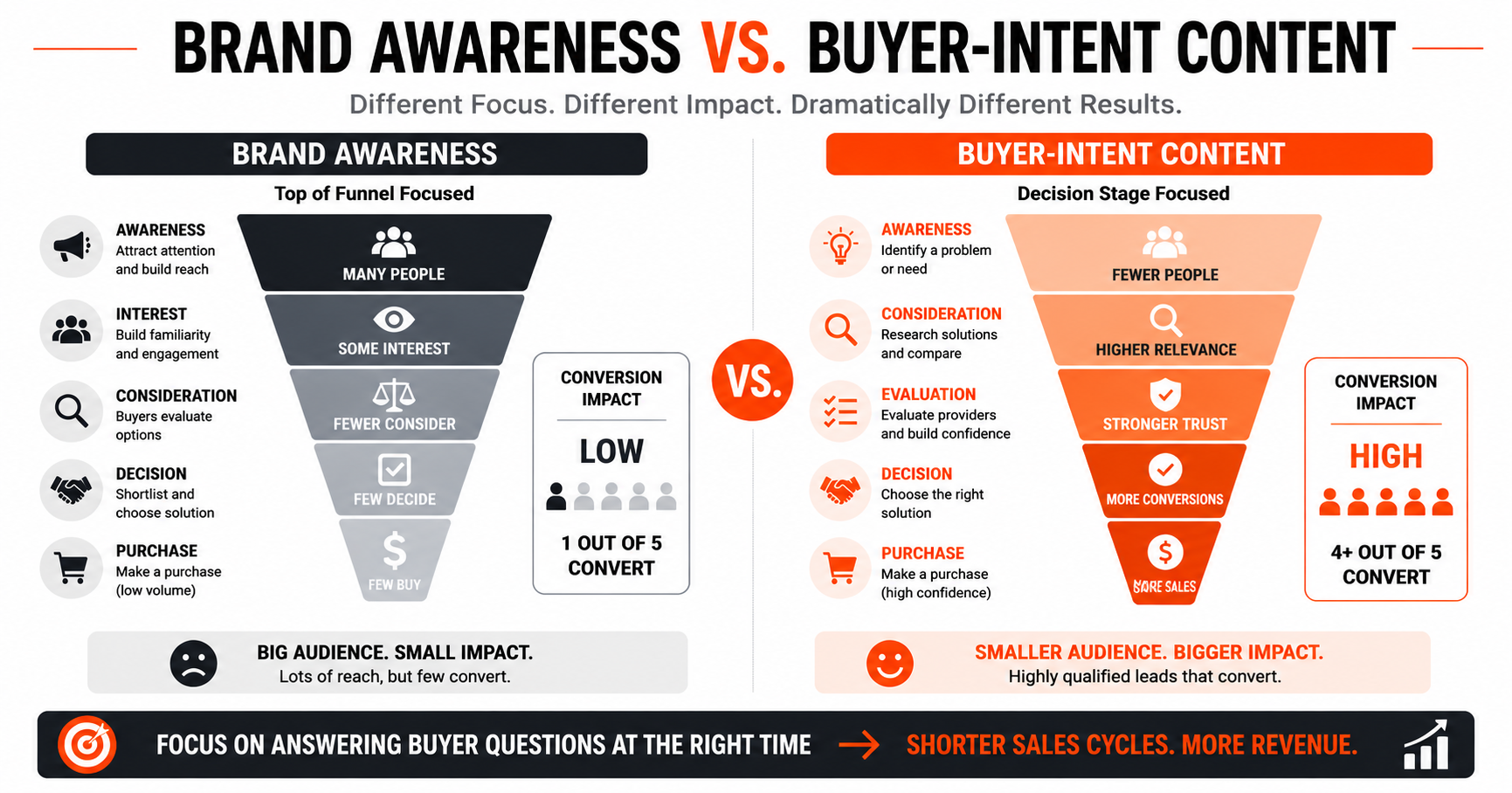
Today's buyers complete 80% of their purchasing decisions through online research before ever contacting a company. They're searching for answers—about pricing, problems, and comparisons—yet most businesses stay frustratingly silent on exactly these topics.
In this article, you'll discover how answering the questions your competitors avoid can become your single biggest competitive advantage. We'll cover five powerful content strategies—from pricing transparency to competitor comparisons—that drive trust and sales, backed by real companies who've generated millions by simply being honest.
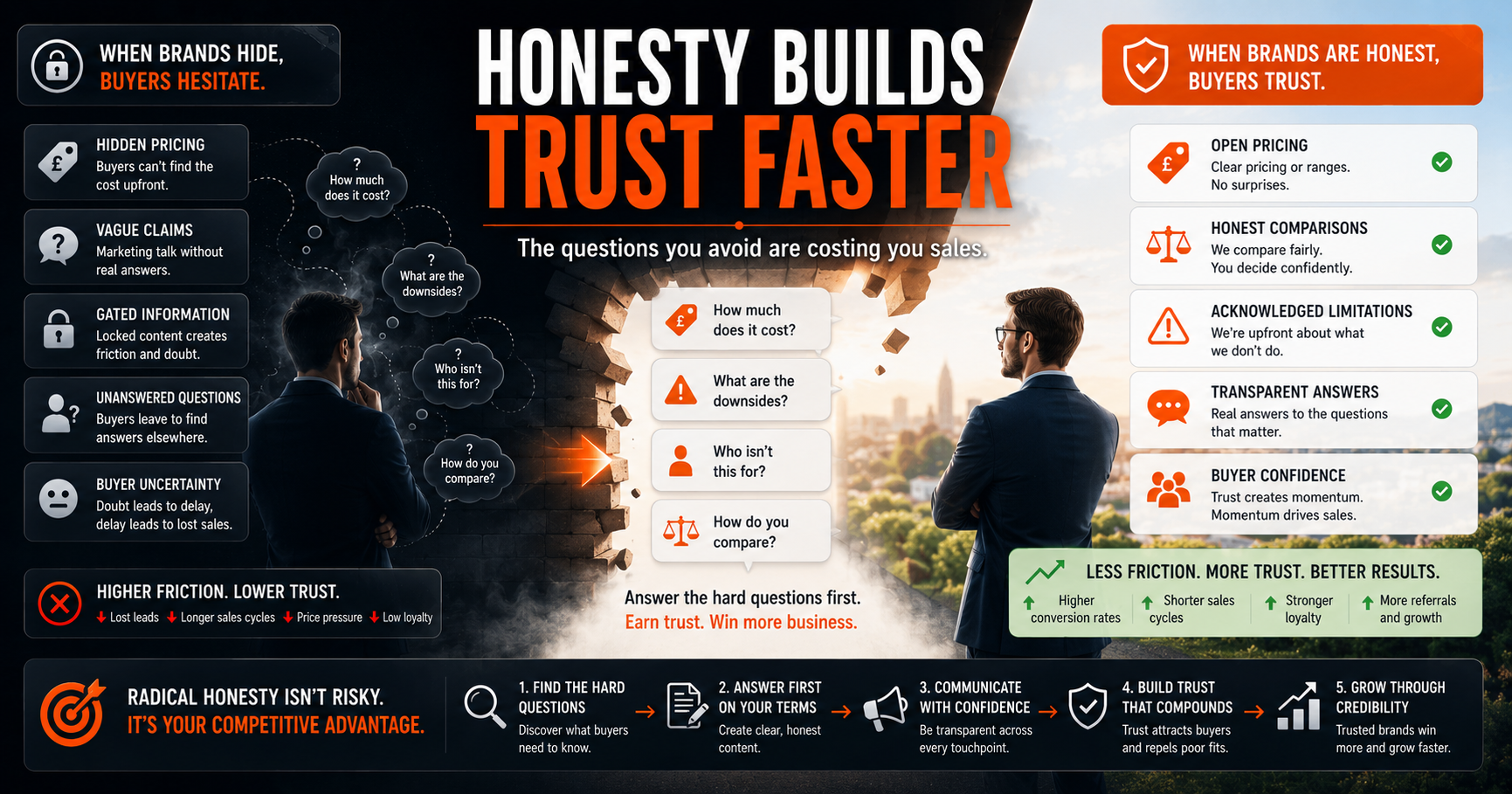
When competitors hide behind vague promises and avoid difficult topics, transparency becomes your most powerful differentiator.
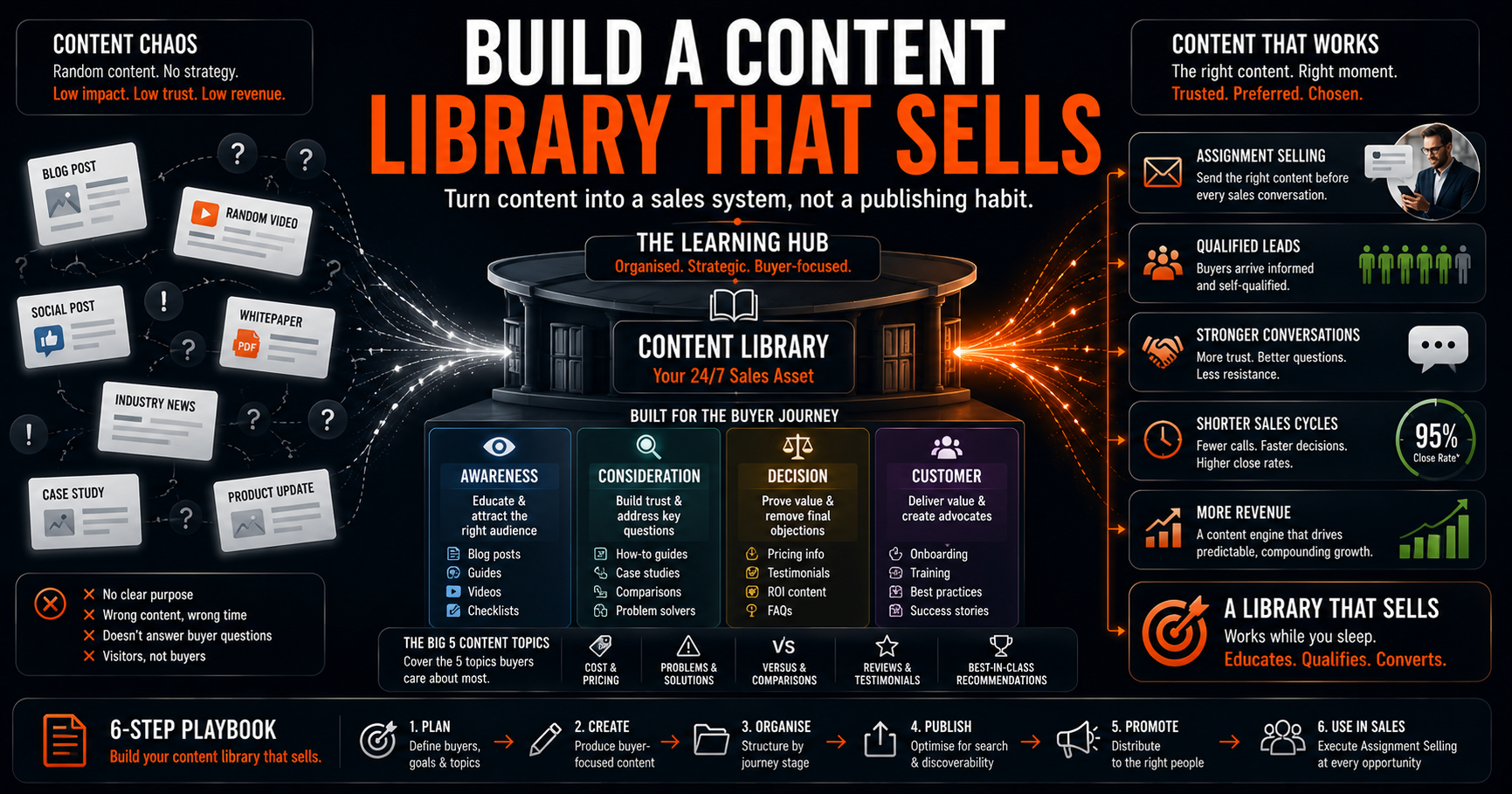
The Big 5 Questions Your Customers Are Asking (But Most Companies Ignore)
Despite knowing that customers desperately want information about pricing, problems, comparisons, reviews, and best-in-class options, most businesses actively avoid discussing these topics.
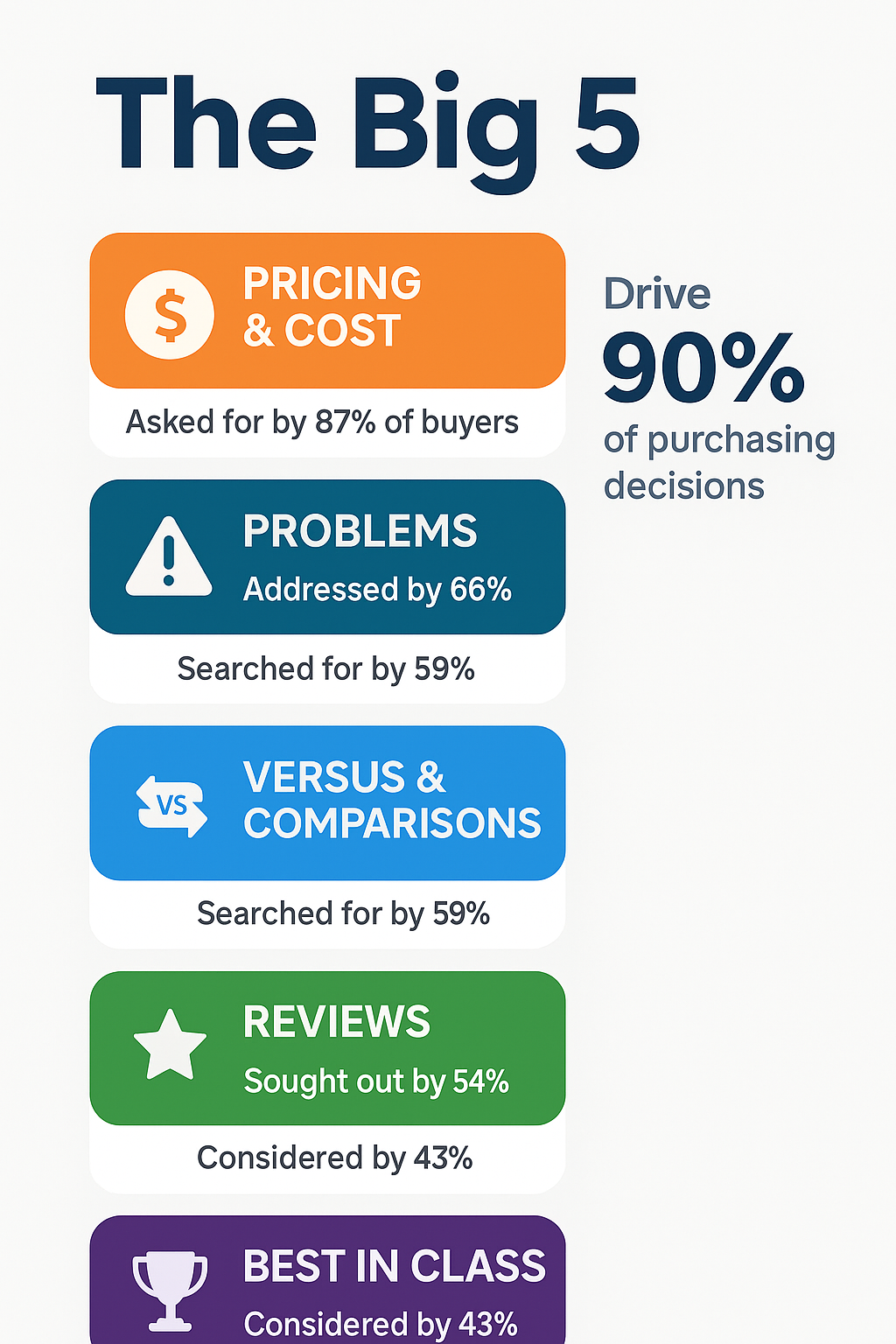
The 'Big 5' content areas represent the questions that drive 90% of purchasing decisions, yet fewer than 10% of companies address them honestly.
Research shows that buyers want answers to these five critical questions:
- Cost and Price - What will this actually cost me?
- Problems - What could go wrong with this solution?
- Versus and Comparisons - How does this compare to alternatives?
- Reviews - What do other customers really say?
- Best-in-Class - Who else should I consider if not you?
Most companies avoid these topics because they're afraid. Afraid of losing competitive advantage. Afraid of scaring customers away. Afraid of giving competitors ammunition.
This fear-based approach is costing you qualified leads and eroding trust before prospects even contact you.
How One Pool Company Generated £2 Million ($2.5 Million) by Discussing Product Problems
Marcus Sheridan's article 'Top 5 Fiberglass Pool Problems and Solutions' became one of the highest-converting pieces of content in his industry, directly attributable to at least £2 million ($2.5 million) in revenue.
By addressing the elephant in the room—problems with his own products—he built unshakeable trust with prospects who were already researching these issues anyway.
When River Pools faced near-bankruptcy during the 2008 financial crisis, they made a radical decision. Instead of hiding from difficult questions, they answered them all.
Marcus wrote about every concern customers had about fiberglass pools, including potential problems. He didn't claim his product was perfect—because it isn't, for everyone.
The result was remarkable:
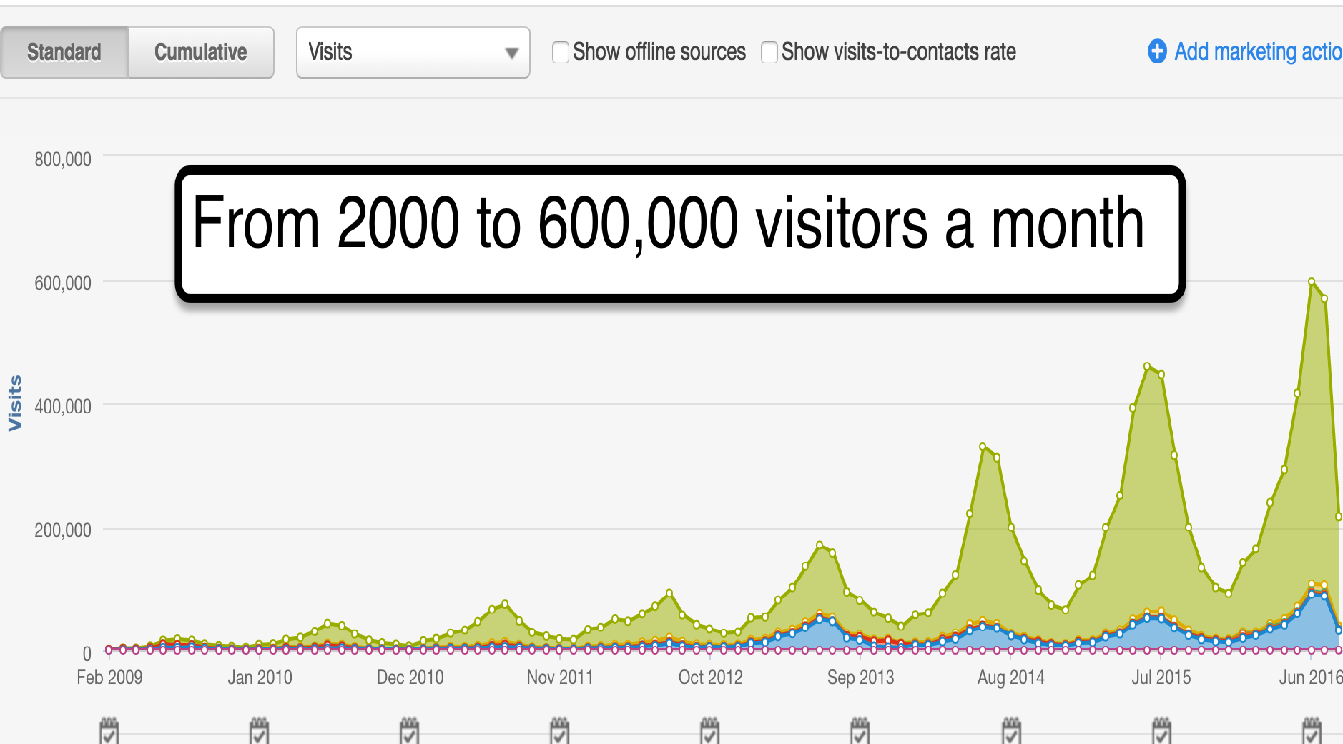
- Website traffic grew from 20,000 to 600,000 monthly visitors
- They became the most trafficked swimming pool website globally
- Sales efficiency improved dramatically: 120 appointments to sell 95 pools versus 250 appointments for 75 pools
- Average customers read 105 pages before purchasing
This approach works because it demonstrates confidence, builds trust, and pre-qualifies leads who value honesty over empty promises.
Why Hiding Your Prices Is Costing You Qualified Leads
Less than 10% of businesses worldwide discuss pricing on their websites, yet pricing information is typically the first thing potential customers search for.
When you refuse to discuss price, you're telling prospects 'we don't trust you with this information'—and they respond by not trusting you.
Price transparency delivers multiple benefits:
- Builds trust with potential customers
- Saves time by pre-qualifying leads
- Differentiates you from secretive competitors
- Attracts quality-focused customers
- Reduces sales cycle length
- Increases customer satisfaction through clear expectations
Your prices aren't shameful secrets. They reflect your value, quality, and confidence in what you offer.
Secrecy doesn't protect you; it isolates you from the customers who would value what you provide.
The Competitor Comparison Strategy That Captures Search Traffic
Writing honest comparisons with competitors doesn't drive business away—it positions you as a trusted advisor while capturing valuable search traffic from people researching your competition.
When someone searches for reviews of your competitor, wouldn't you rather they find your thoughtful, balanced comparison than stumble across a biased review?
Smart businesses guide the comparison process rather than leaving it to chance. They acknowledge that their solution isn't right for everyone—because pretending otherwise destroys trust.
Marcus wrote comparison articles between fiberglass, vinyl liner, and concrete pools. He didn't claim fiberglass was always better. Instead, he honestly explained when each option made sense.
This transparency led to:
- Top rankings for over a dozen comparison phrases
- Higher conversion rates among qualified prospects
- Increased trust from readers who appreciated the honesty
- Traffic captured from competitor searches
When you control the narrative around comparisons, you can present balanced information that helps prospects make informed decisions while positioning your strengths.
Why Talking About Your Weaknesses Makes You More Trustworthy
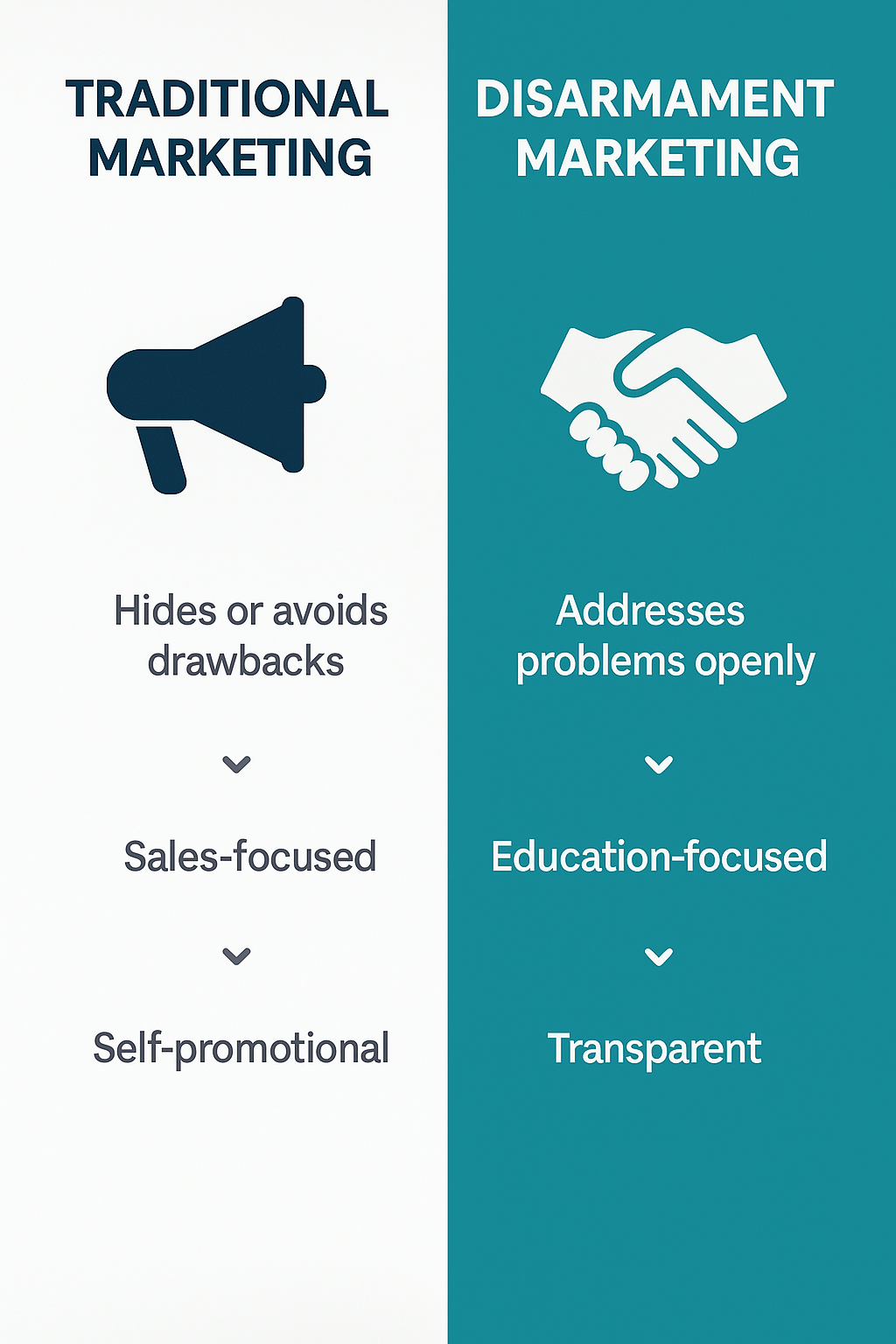
Every product and service has limitations, and acknowledging them openly doesn't weaken your position—it strengthens it by demonstrating confidence and authenticity.
Companies that practice 'disarmament marketing' by addressing their weaknesses head-on often see improved lead quality and shorter sales cycles.
Sheffield Metals International created a YouTube video titled "7 Common Problems of a Metal Roof." Instead of hiding from potential issues, they addressed them directly.
The results speak for themselves:
- Over 200,000 views in less than two years
- Top ranking for "problems with metal roofs"
- Related video "5 Metal Roofing Myths Busted" also ranks highly
- Positioned as the trusted expert willing to discuss difficult topics
When you address problems honestly, you build trust with prospects who are researching these issues anyway.
The key is framing limitations properly:
- Be specific about scenarios where you're not the best fit
- Explain technical constraints and requirements honestly
- Discuss learning curves and implementation challenges
- Address scalability limitations where relevant
The Strategic Art of Saying 'We're Not for You'
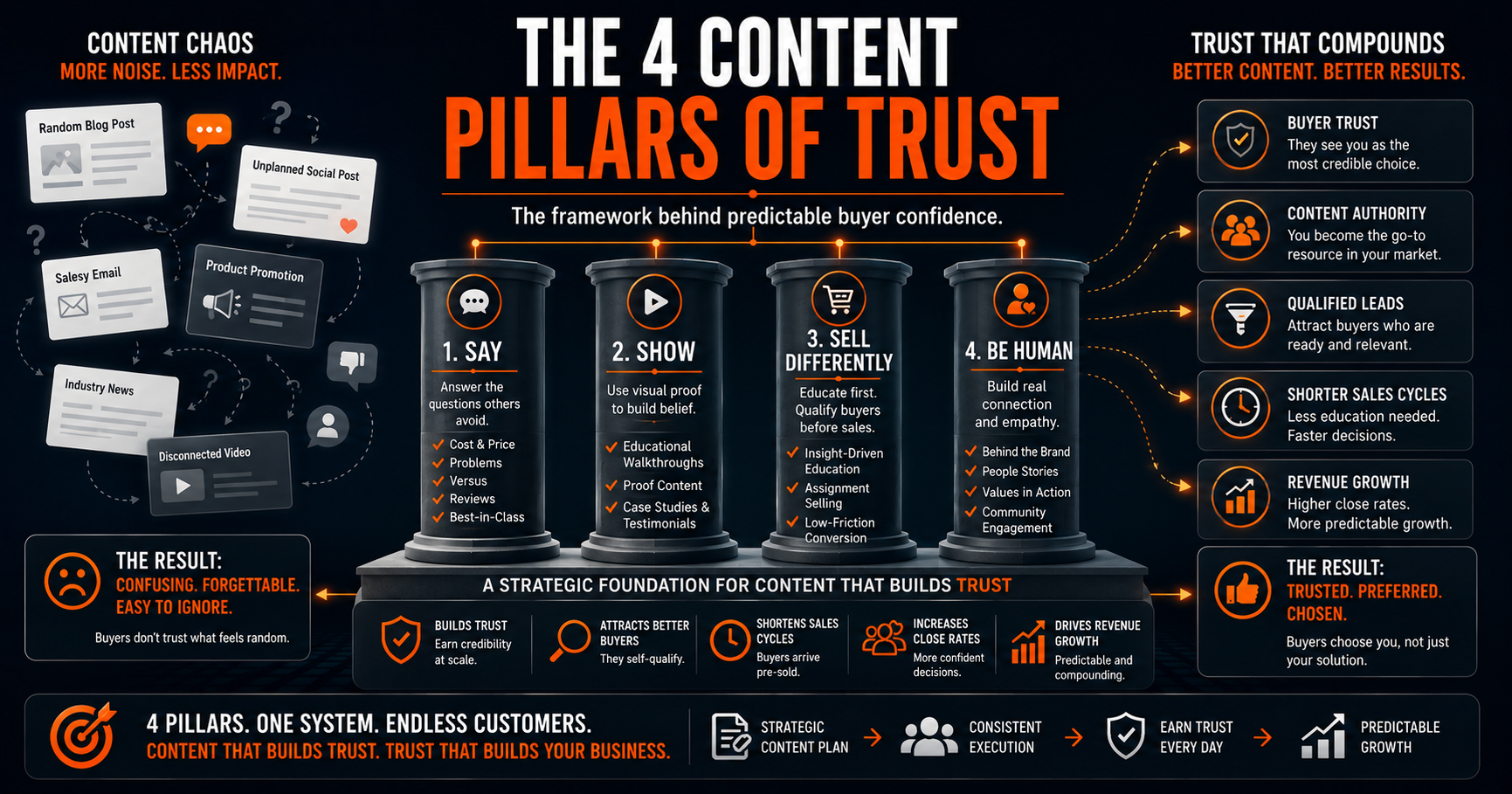
Deliberately repelling the wrong customers is just as important as attracting the right ones, yet most businesses try to appeal to everyone and end up connecting with no one.
Brands like Patagonia and Nike have built billion-dollar businesses by taking clear stands that attract devoted customers while intentionally alienating others.
When you're transparent about your limitations, you achieve two objectives:
You attract customers who value honesty and are genuinely good fits
You repel price-focused prospects who would become problematic customers
High-quality prospects appreciate businesses that help them make informed decisions, even if that decision is to look elsewhere.
This approach requires courage but delivers better results:
- Higher customer satisfaction
- Reduced refund requests
- Improved customer lifetime value
- Stronger word-of-mouth recommendations
- More efficient sales processes
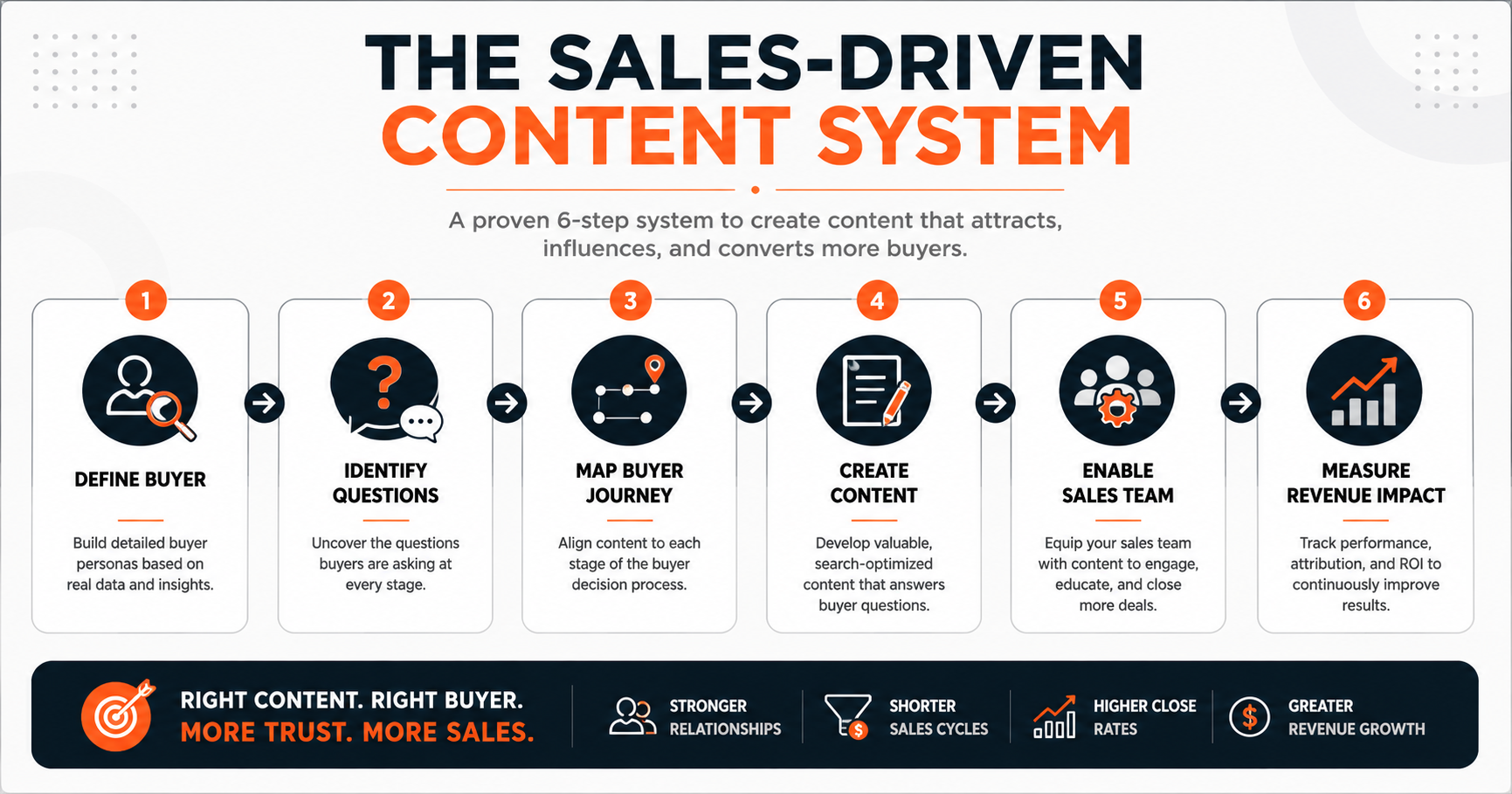
Building Your Transparent Content Strategy in 90 Days
Creating a transparency-first content approach doesn't require a complete overhaul—it starts with identifying the top questions your sales team receives and the objections prospects raise most frequently.
By systematically addressing these topics through honest, helpful content, you can transform how potential customers perceive your business before they ever speak to your team.
Here's your 90-day implementation plan:
Days 1-30: Audit and Planning
- List the top 20 questions prospects ask your sales team
- Identify the five biggest objections you regularly handle
- Research what people search for related to your industry problems
- Map competitor comparison phrases people use
Days 31-60: Content Creation
- Write honest articles about your product/service limitations
- Create detailed pricing guides (ranges if exact prices vary)
- Develop competitor comparison content
- Address common industry problems directly
Days 61-90: Implementation and Optimisation
- Publish content consistently across your website
- Monitor search rankings and traffic patterns
- Track lead quality improvements
- Adjust approach based on results
The businesses winning customers' trust aren't necessarily the biggest—they're the ones willing to be most helpful and transparent.
Through my work with businesses across different industries using The Endless Customers System™, I've seen companies transform their marketing by embracing radical honesty. Whether through full marketing support, strategic guidance, or team training, the results consistently show that transparency builds trust, and trust drives sustainable growth.
Transparency Is Your Competitive Advantage—Here's What to Do Next
You now understand how transparency drives trust and transforms businesses from struggling to stand out into trusted industry leaders.
You've likely struggled with standing out against competitors who stay vague, wondering whether being honest about pricing, problems, and comparisons might actually hurt your business. The evidence proves otherwise—companies willing to answer difficult questions consistently outperform those hiding behind corporate speak and vague promises.
Your next step is to start auditing your site for pricing, problems, and comparisons. How easy is it for prospects to find pricing information? Do you address common problems honestly? Can visitors understand how you compare to alternatives?
Your competitors' reluctance to discuss difficult topics creates your opportunity to build unshakeable trust with potential customers.
Ready to transform how customers perceive your business through transparent, trust-building content? Book a strategy consultation with Tom Wardman today and discover how the Endless Customers System™ can help your business win through radical transparency.

Topics: