Your website traffic is dropping. Content that used to rank well brings fewer visitors each month. You're watching leads decline whilst your competitors seem to thrive, and you're left wondering what changed.
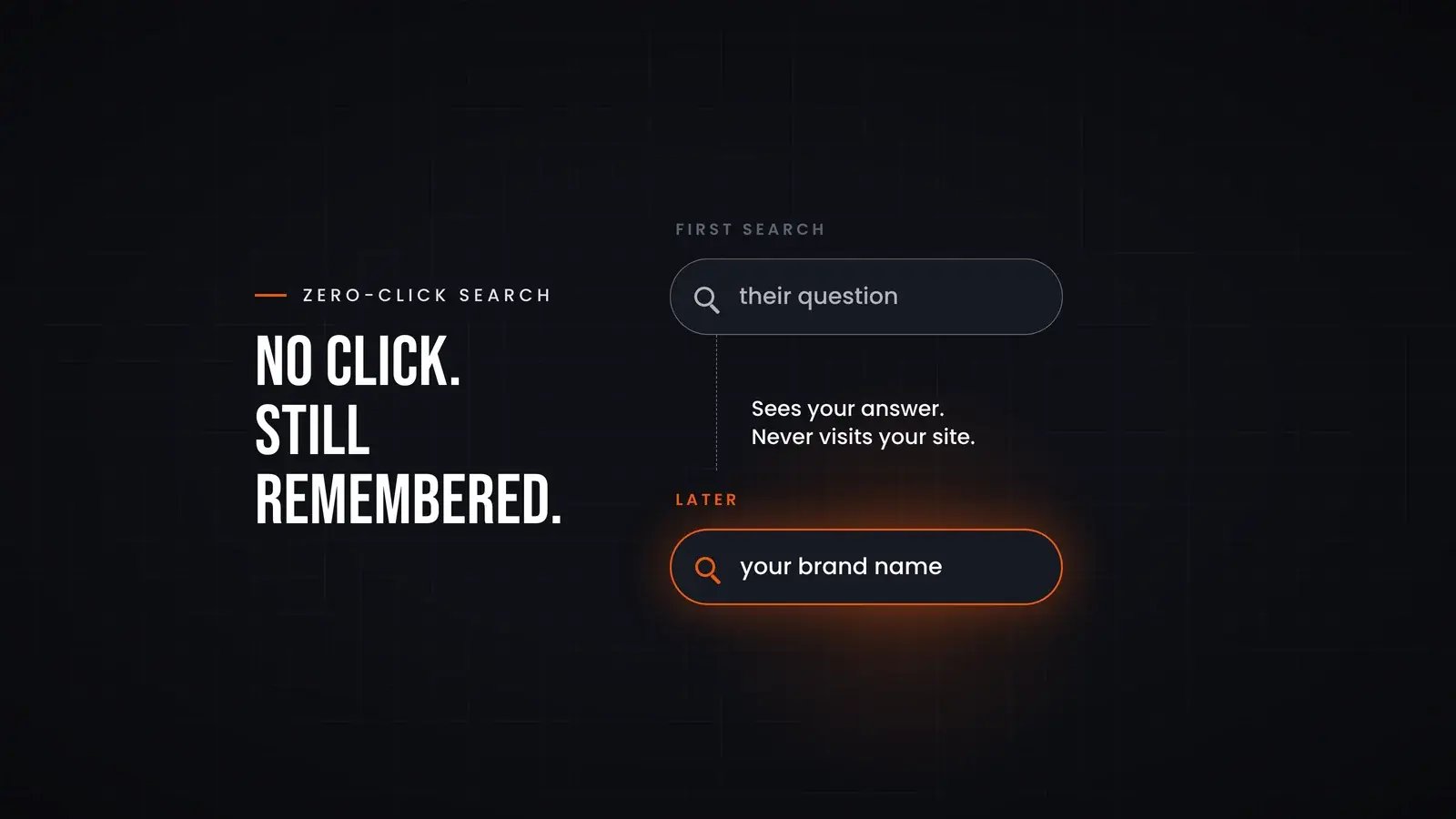
If you're a business leader or marketer watching search traffic decline despite "doing SEO right," here's what's happening: over half of all Google searches now end without anyone clicking through to any website. Users find complete answers directly in search results, AI summaries, and featured snippets, never visiting your site at all.
Traditional SEO tactics focused solely on driving traffic are becoming ineffective. But this isn't a crisis for businesses willing to adapt. After working with companies across multiple industries as they've navigated this shift, I've seen a clear pattern: the businesses thriving today focus on building trust rather than chasing clicks.
In this article, you'll discover:
- Why zero-click searches are changing buyer behaviour and what this means for your business
- What trust-based content actually looks like and how it differs from traditional SEO content
- How the Big 5 framework turns visibility into revenue, even when people never click through to your website
How zero-click searches are changing buyer behaviour (and why this matters to you)
Zero-click searches give users complete answers directly in search results without requiring them to visit any website, fundamentally changing how you must approach content.
Think about your own behaviour. When you search for "weather tomorrow" or "exchange rate USD to GBP," do you click through? Or do you get your answer right there in the results?
Your customers behave the same way.
Search engines have evolved beyond simple link directories. Google's AI Overviews answer questions directly. ChatGPT and Perplexity provide comprehensive responses without sending users anywhere. Featured snippets deliver exactly what people need at the top of search results.
Rather than viewing this as a threat, forward-thinking businesses recognise zero-click content as an opportunity to build brand authority at the exact moment potential customers need help.
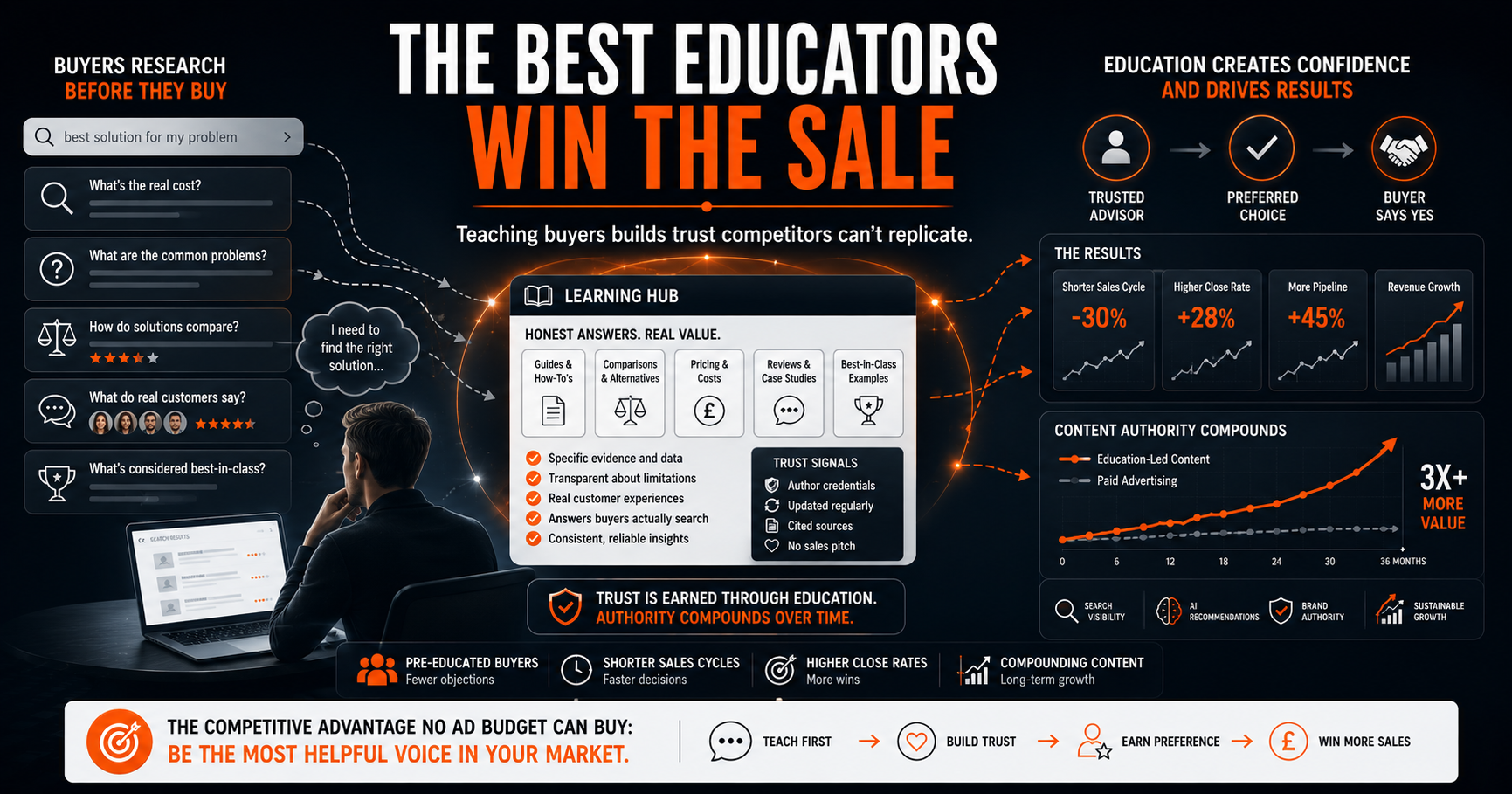
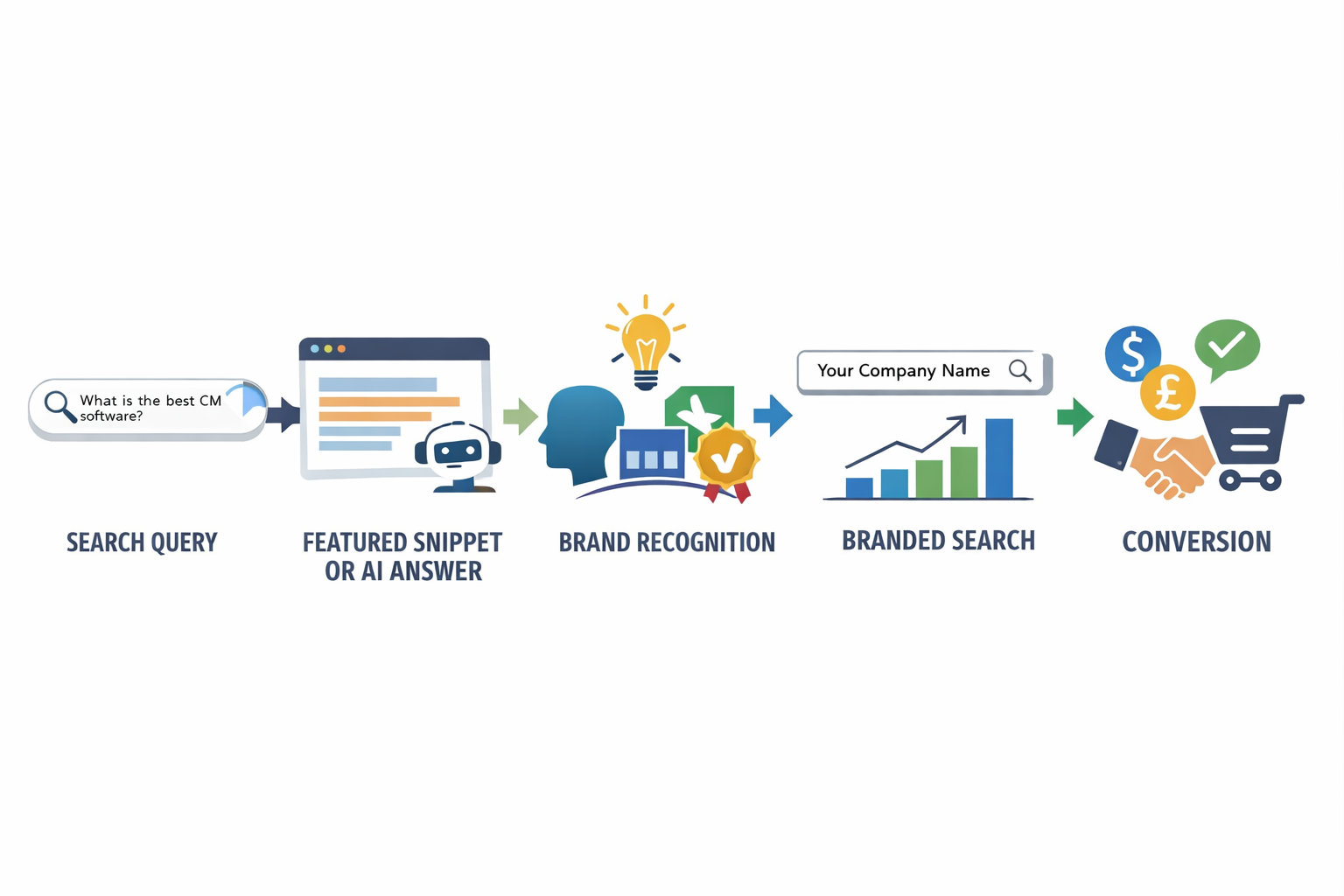
When your content appears in a featured snippet answering someone's question, you're demonstrating expertise. When AI tools cite your website as a source, you're building credibility. When people see your brand repeatedly providing helpful answers, trust develops, even without a website visit.
The businesses struggling today still measure success purely through traffic numbers. The businesses thriving understand something simpler: visibility builds trust, and trust drives business.
Why traditional SEO tactics fail in 2026
The tactics that worked five years ago—keyword stuffing, link building at scale, optimising for rankings alone—no longer deliver the same results.
Here's what's broken:
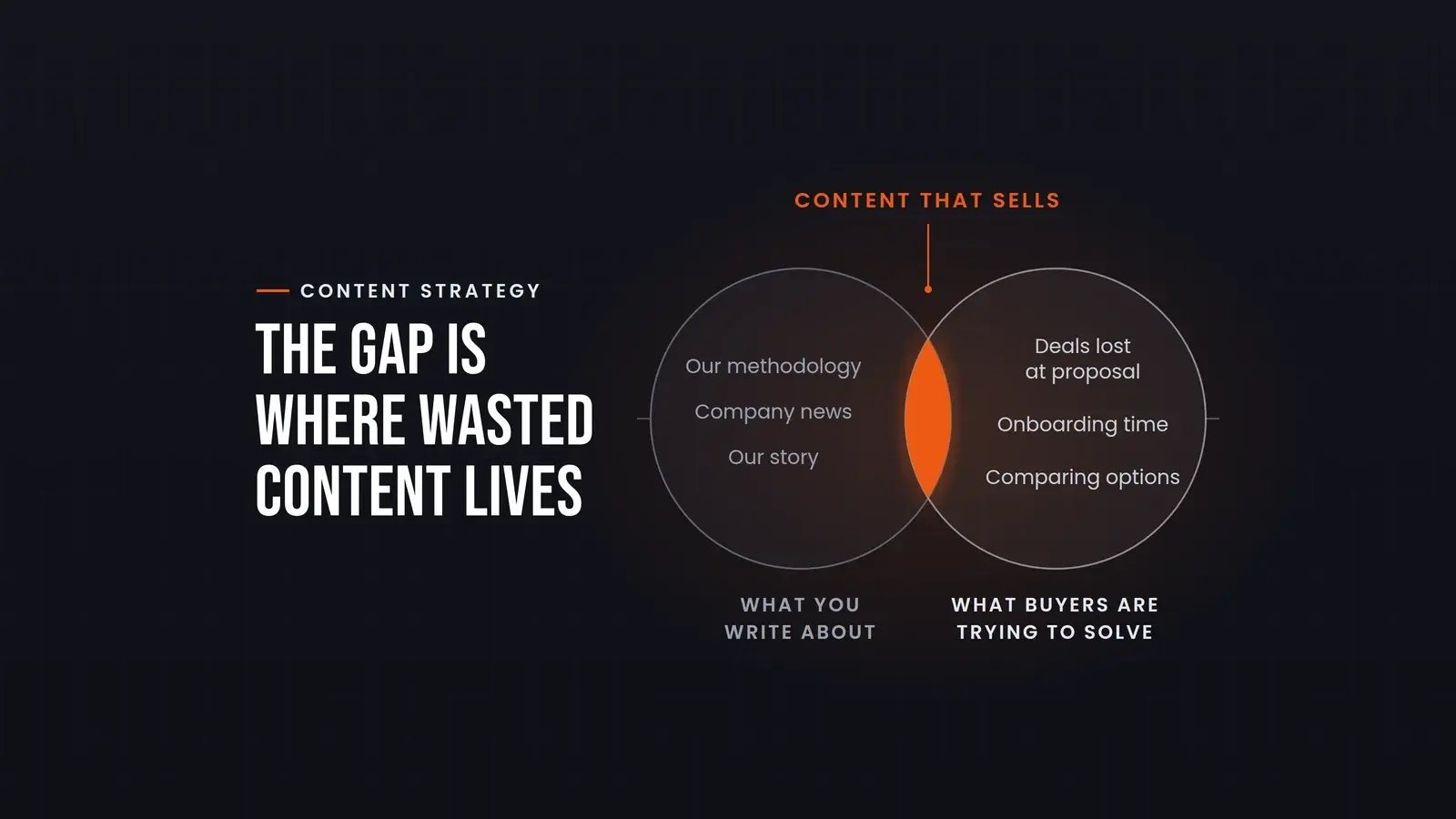
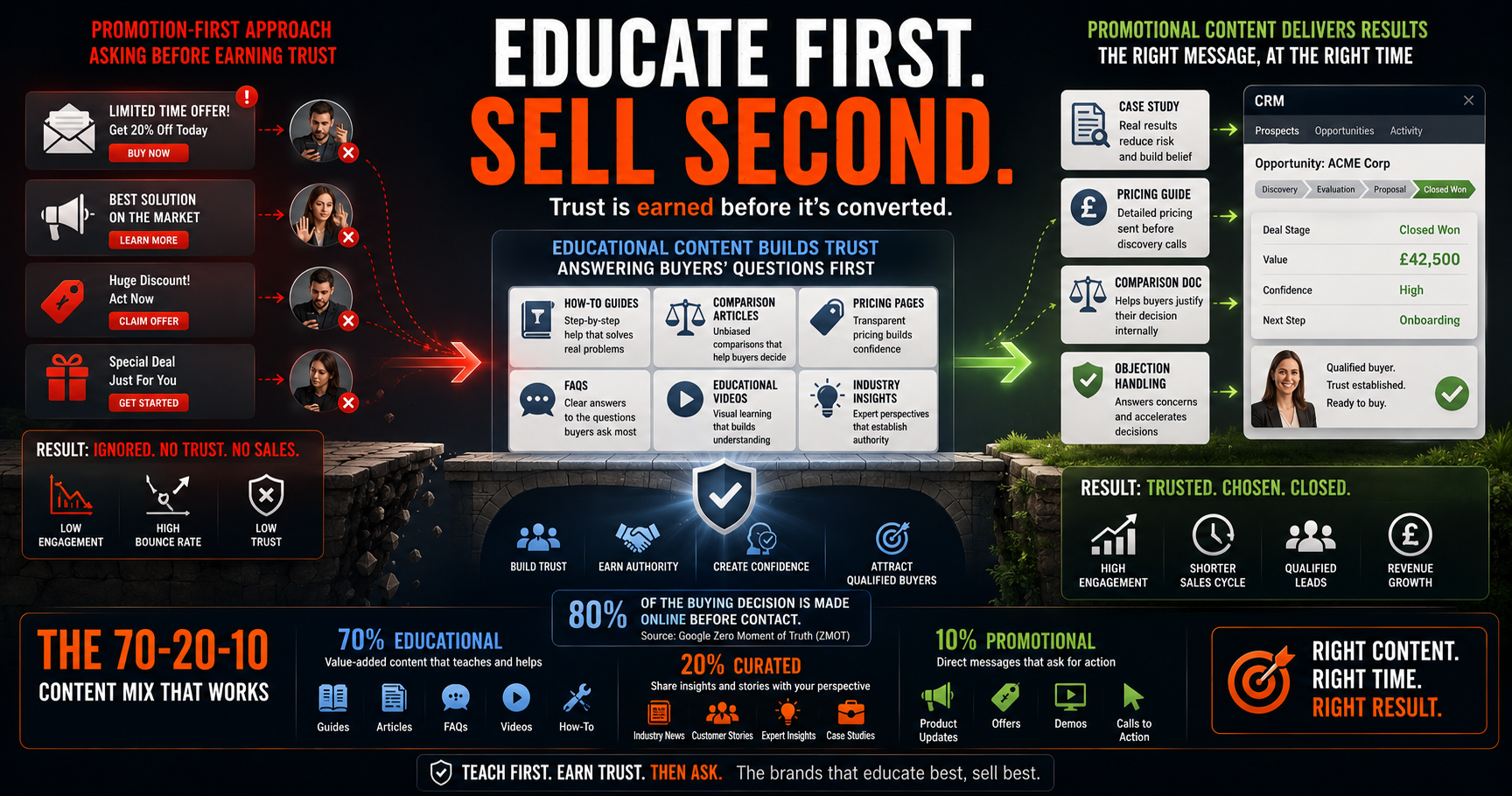
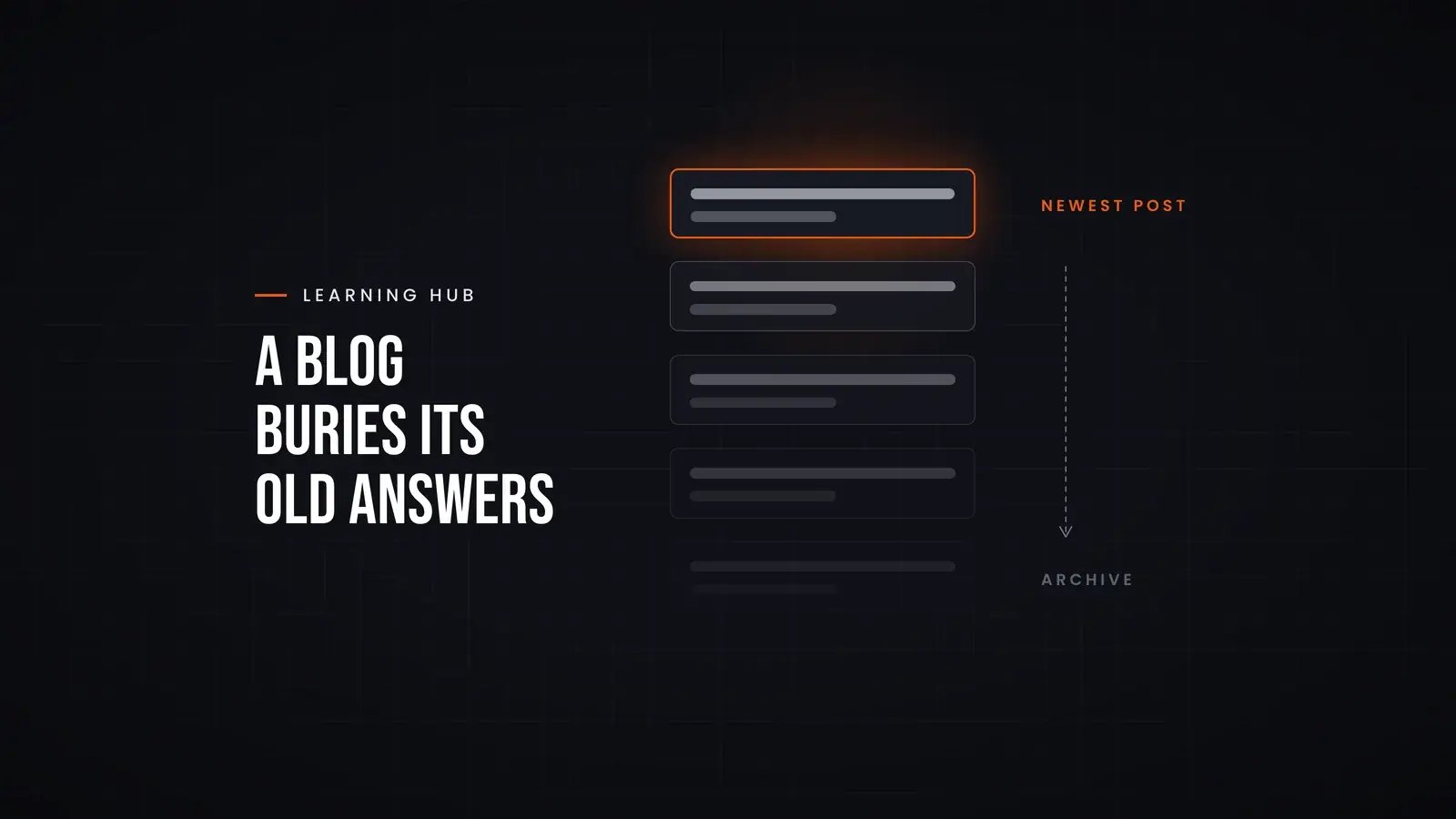
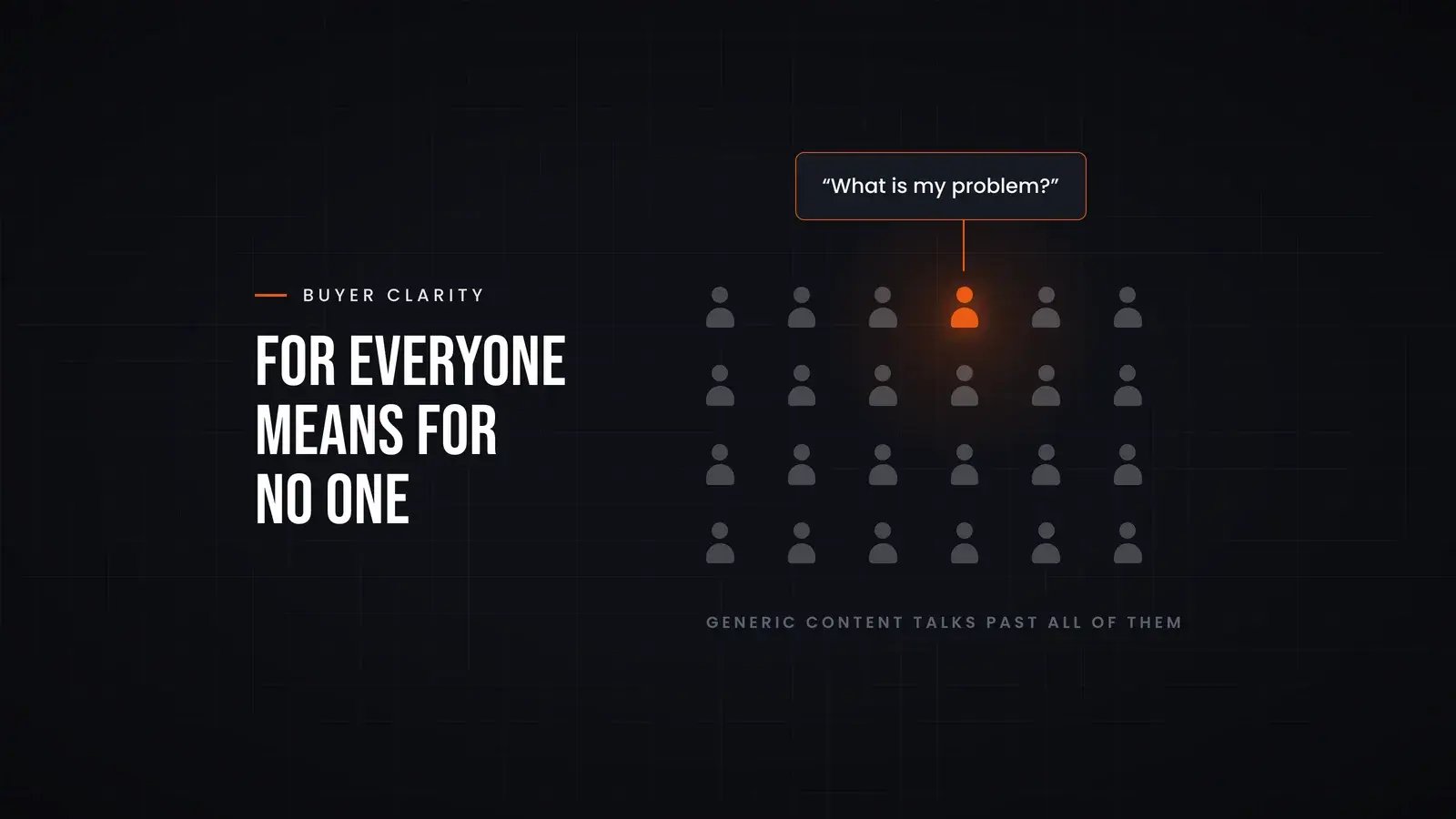
Keyword-focused content that prioritises search engines over humans gets buried by AI that recognises genuine helpfulness. Generic "ultimate guides" that scratch the surface of topics lose to comprehensive resources that demonstrate real expertise. Self-promotional content that avoids difficult questions gets ignored by buyers researching thoroughly before purchasing.
The old playbook assumed people would click through to your website. That assumption no longer holds.
Success today requires a different approach, one focused on becoming the trusted answer, regardless of where that answer appears.
The one factor that determines success in AI-powered search
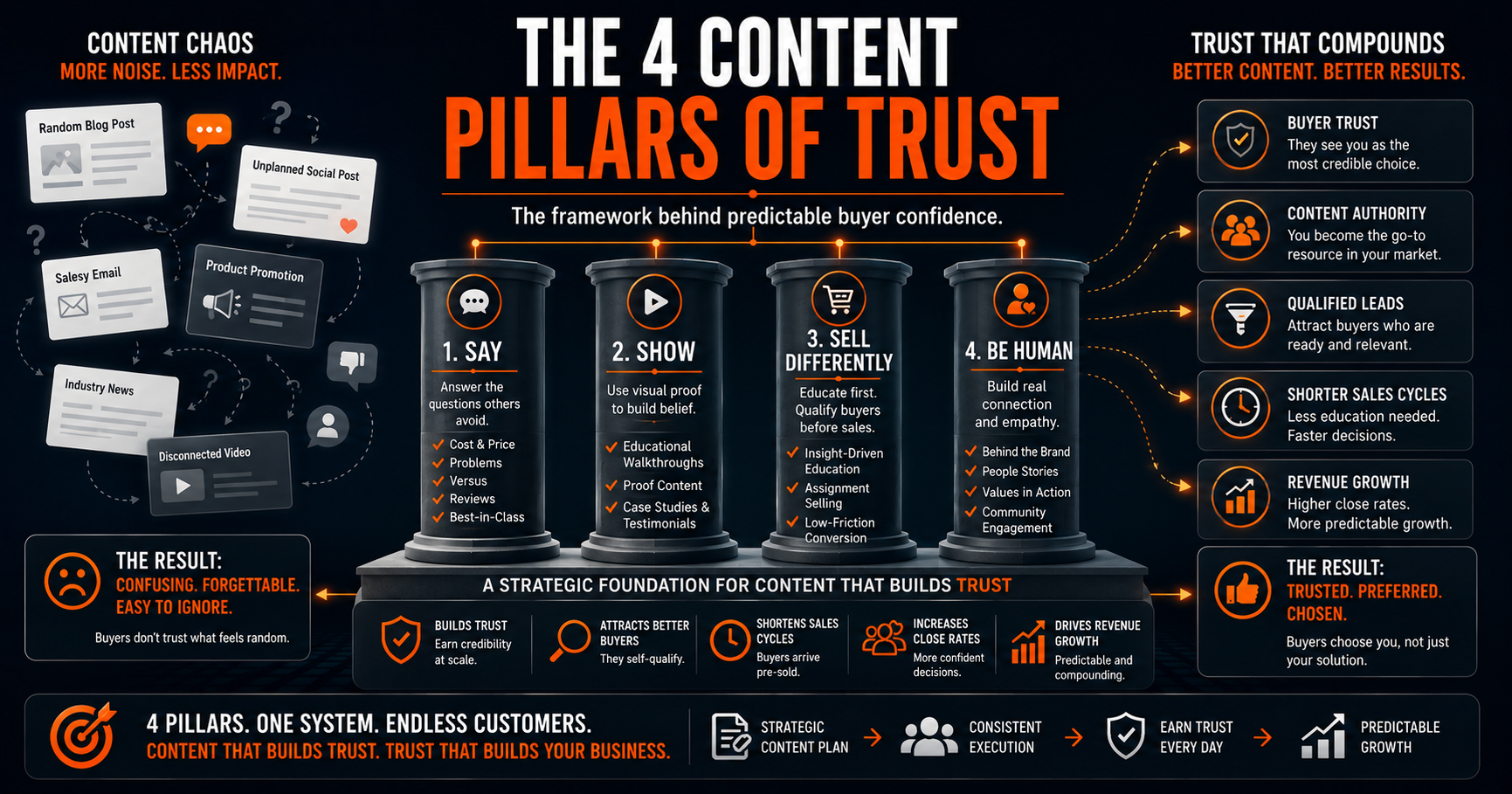
Building trust through radically honest, helpful content is the single factor that separates thriving brands from struggling ones in today's search landscape.
Not fancy technical SEO. Not expensive link-building campaigns. Not cleverly gaming algorithms.
Research from Edelman shows that 81% of consumers need to trust a brand before they'll buy. Yet most businesses still focus their content on self-promotion rather than genuine value and transparency.
This disconnect is costing you customers.
When Marcus Sheridan's pool company faced bankruptcy during the 2008 financial crisis, he made a decision that transformed his business: he started answering every question customers asked, honestly and completely. No topic was off-limits—including the uncomfortable ones competitors avoided.
The result? Traffic grew from 20,000 to 600,000 monthly visitors, making River Pools the most visited swimming pool website globally.
But here's what matters more: his sales efficiency doubled. He needed fewer appointments to close more sales because customers arrived already trusting him.
They'd read his content addressing their concerns—often without ever visiting his website during initial research. By the time they reached out, they weren't starting from zero. They were starting from trust.
Recommend resource: Edelman Trust Barometer research
The 'Big 5' content categories that build trust and drive conversions
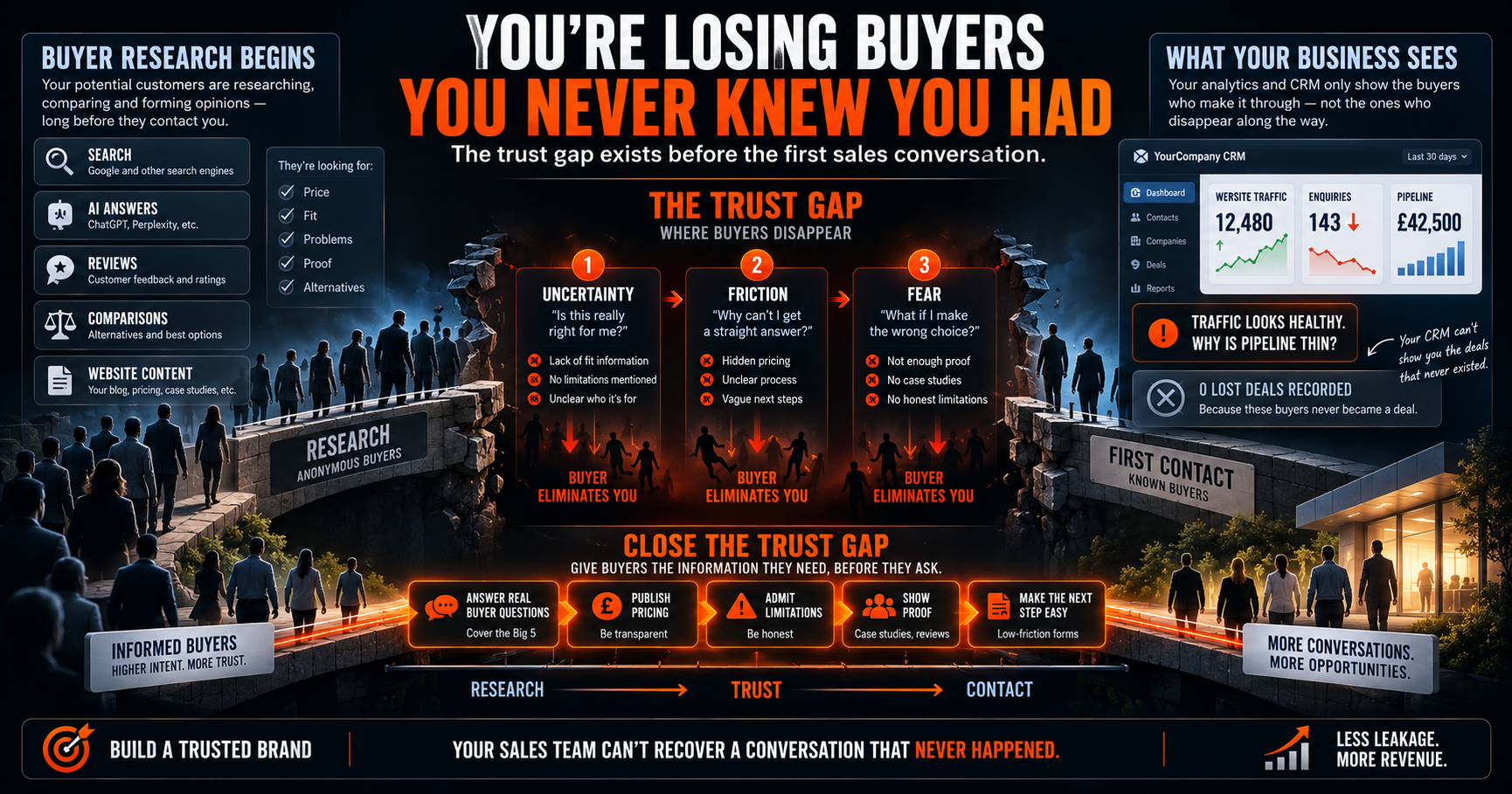
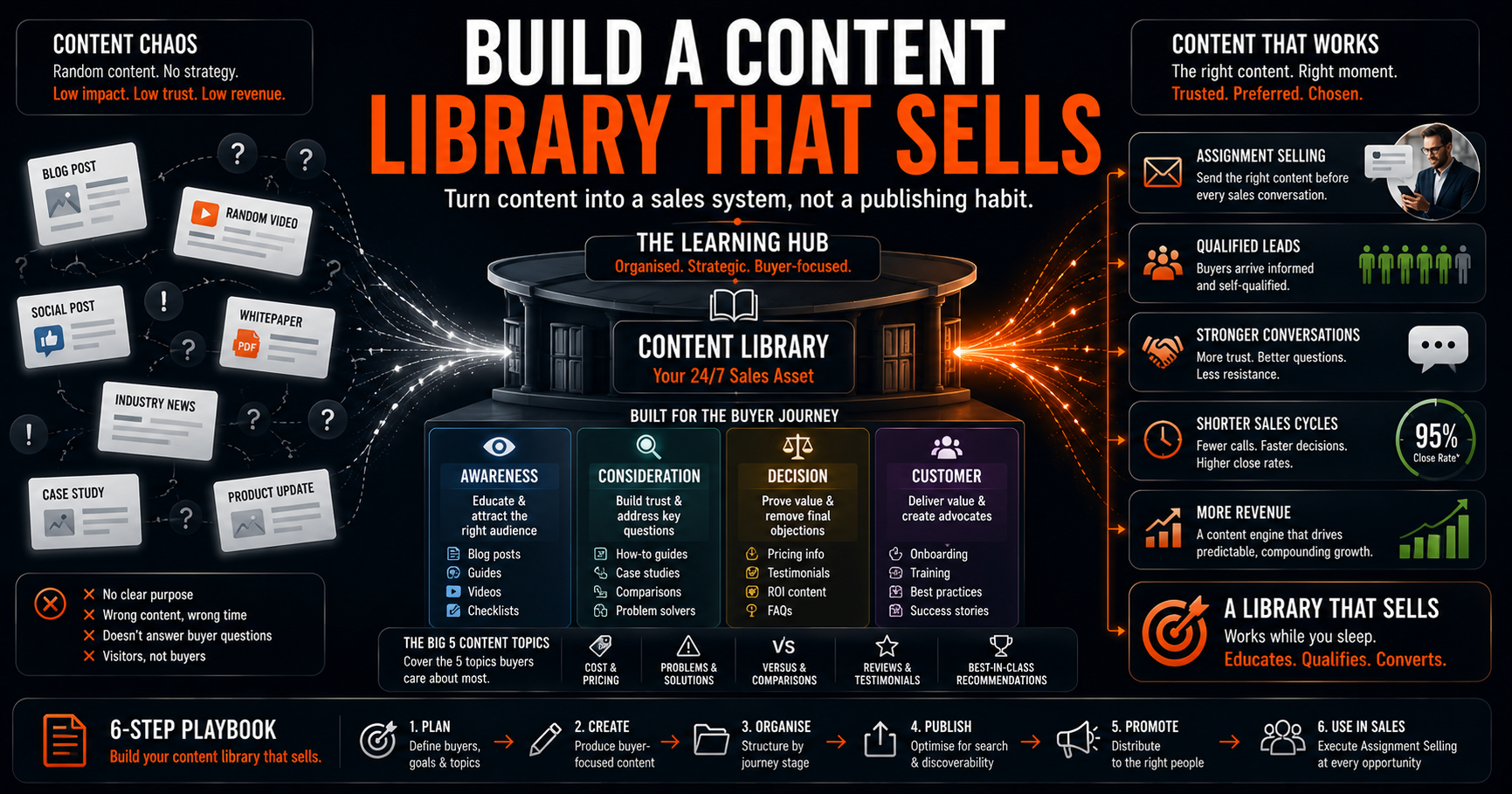
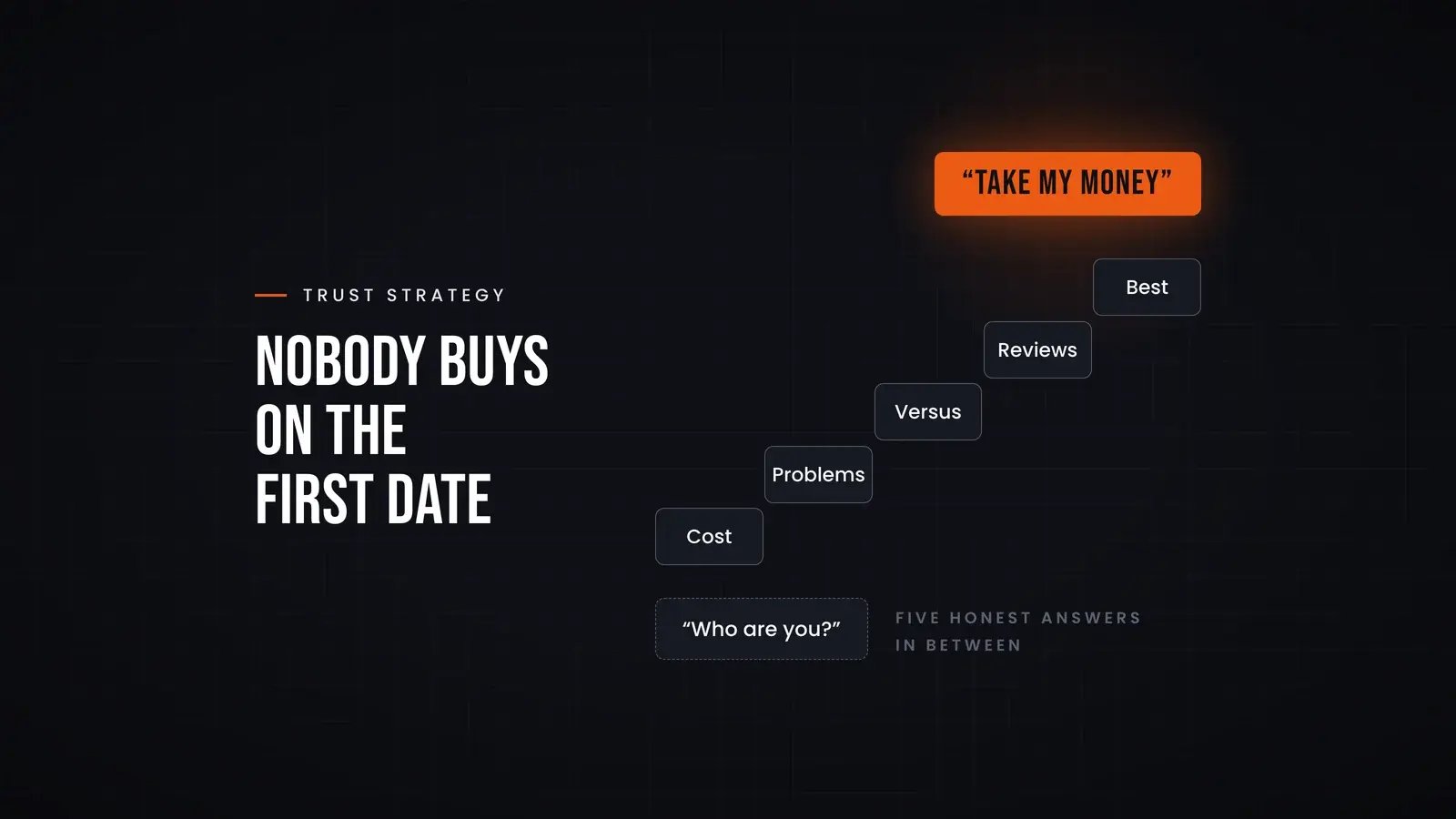
Five content topics influence buying decisions across every industry: cost and pricing, problems and limitations, versus and comparisons, reviews, and best-in-class recommendations.
These are the questions your customers are already asking. They're searching for this information right now.
Most businesses avoid these topics, worried that transparency will drive customers away. The opposite is true, addressing these topics builds the trust that converts browsers into buyers.
| Big 5 Topic | What It Covers | Why It Builds Trust |
|---|---|---|
| Cost and Price | Actual costs, pricing models, what affects price | Shows you're not hiding anything; helps people self-qualify |
| Problems and Limitations | When your solution isn't right, potential issues, honest drawbacks | Demonstrates integrity; prevents bad-fit customers |
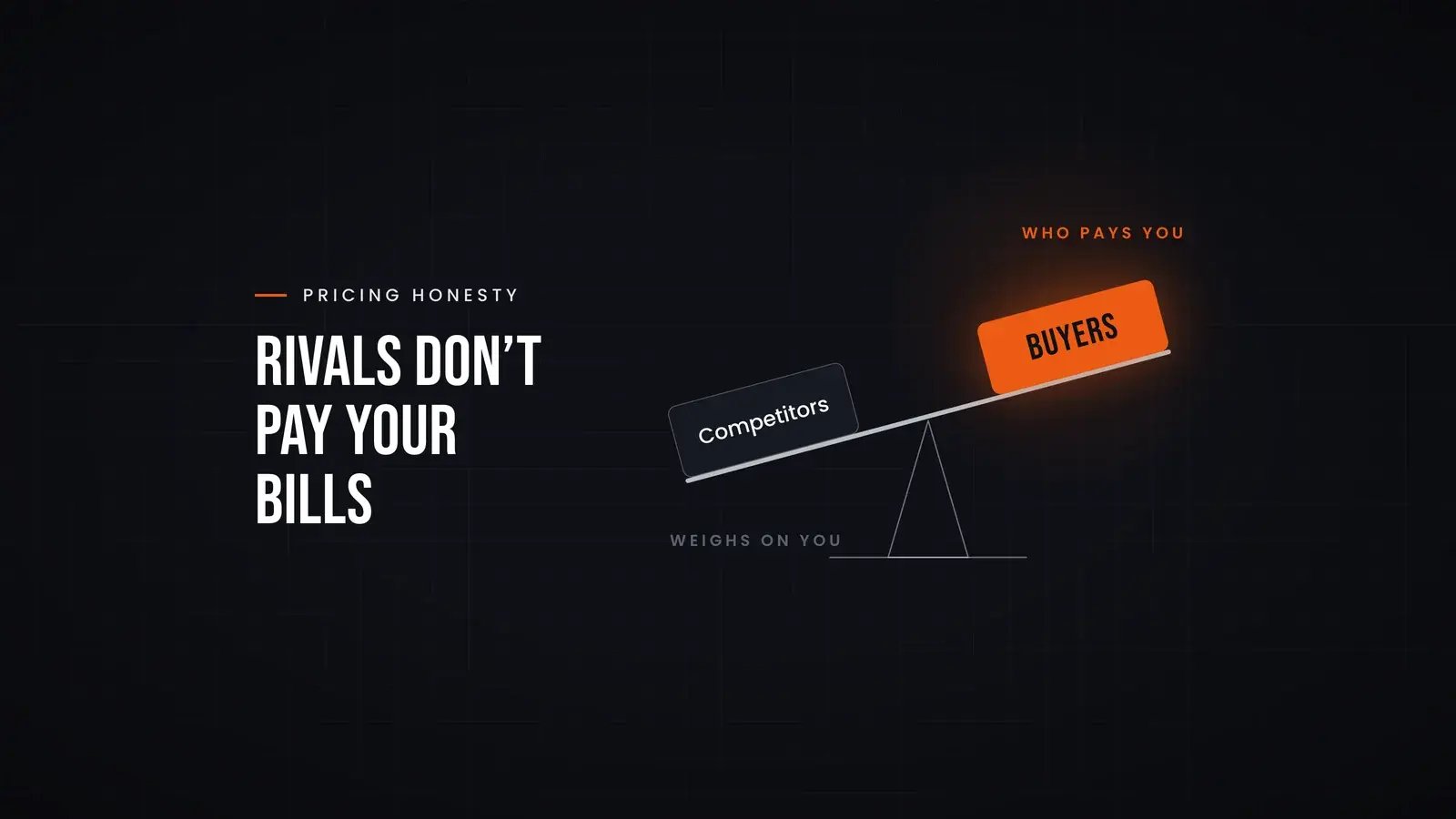
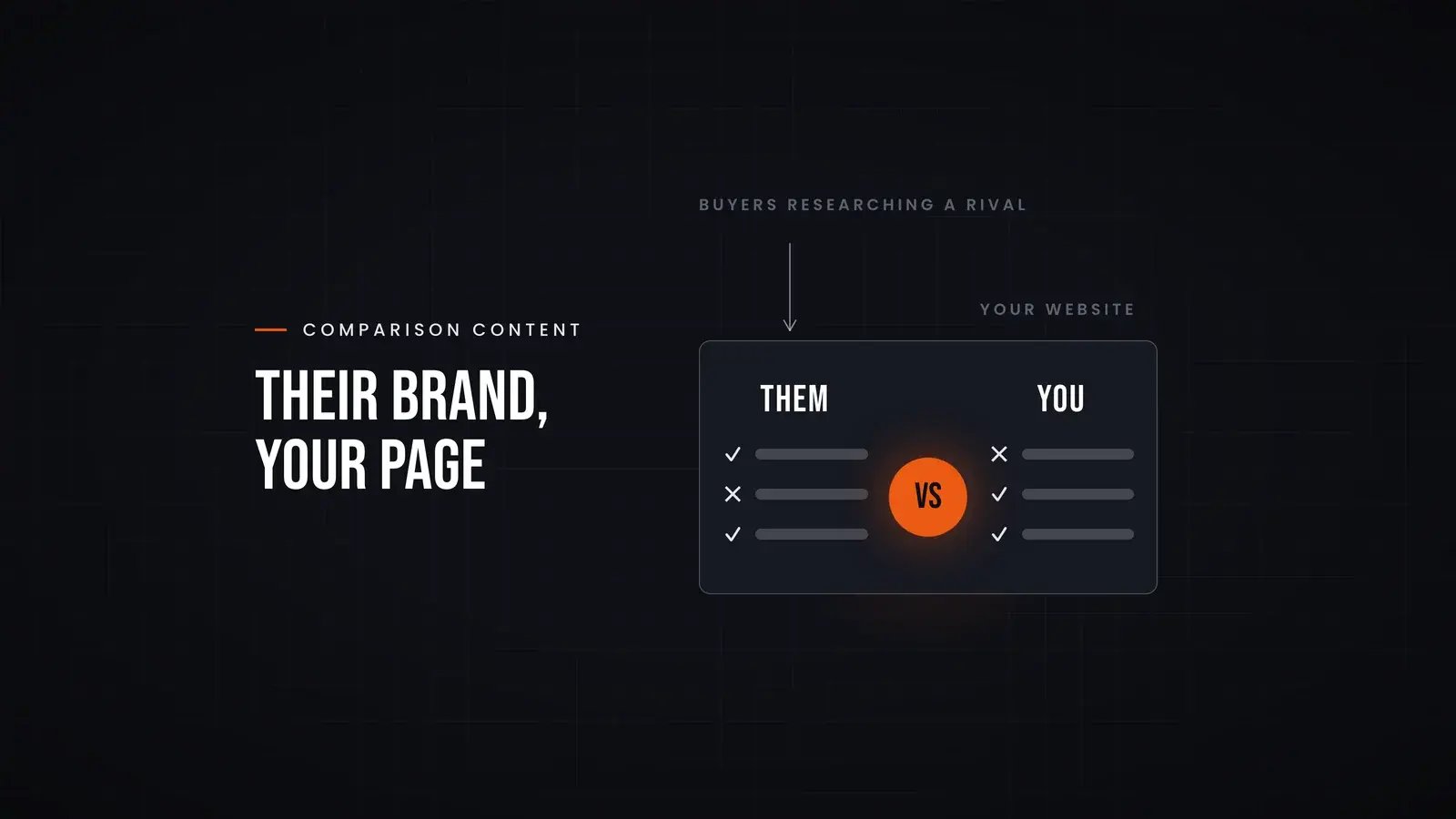
| Versus and Comparisons | Your solution vs competitors, honest strengths and weaknesses | Positions you as an honest broker of information |
| Reviews | What customers say, competitor reviews, industry options | Shows confidence in your offering |
| Best-in-Class | Top options in your space (including yourself), evaluation criteria | Establishes authority as an industry educator |
When you create content around these topics, you're not just chasing keywords. You're answering the questions that determine whether someone trusts you enough to buy.
This approach is most effective for businesses with considered purchases, longer sales cycles, or trust-sensitive decisions, where buyers research thoroughly before committing.
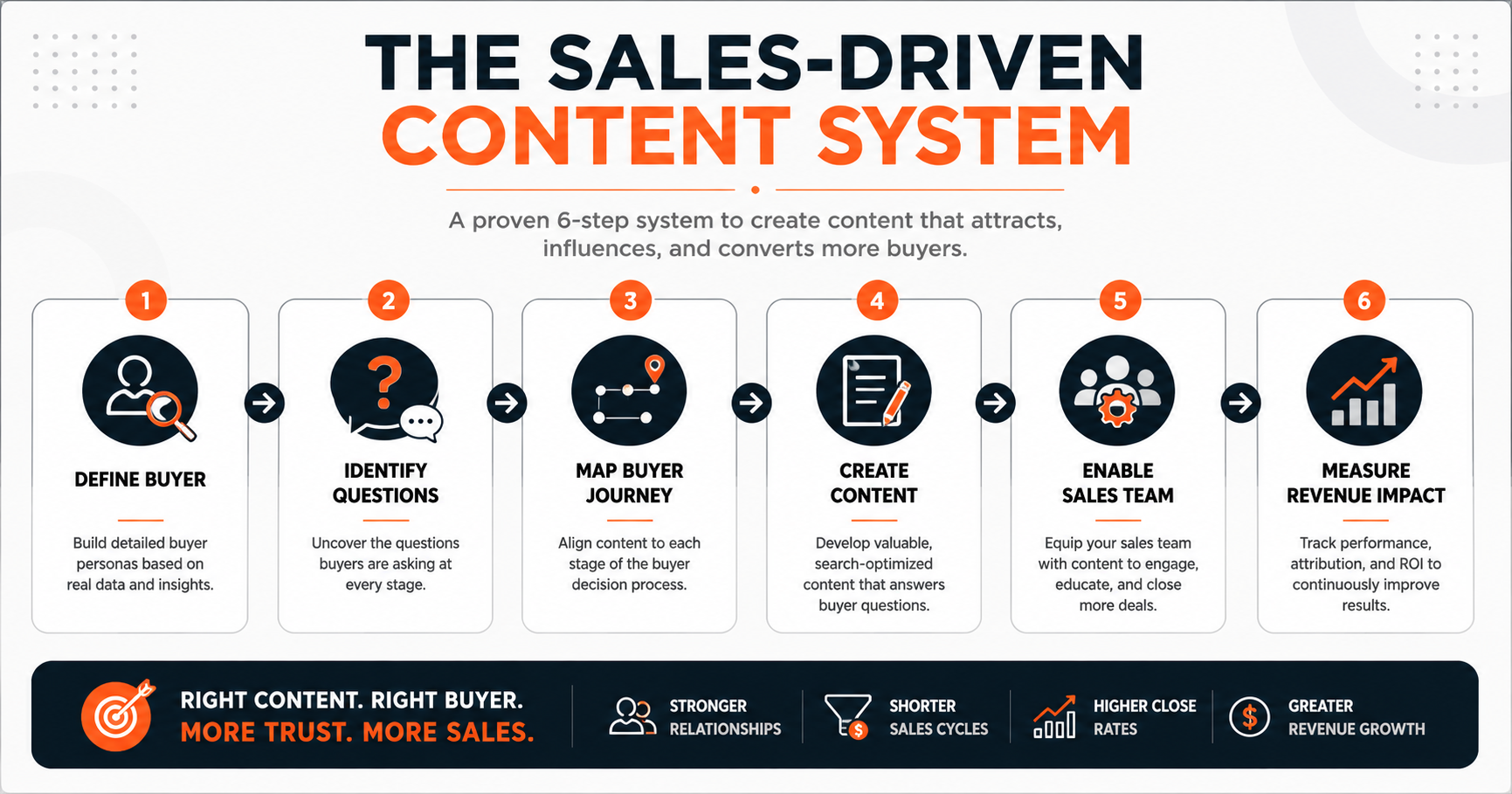
This is exactly how Marcus Sheridan's Endless Customers SystemTM works, by systematically addressing the questions that matter most to buyers at each stage of their journey.
How honest discussion about problems increases sales (not decreases them)
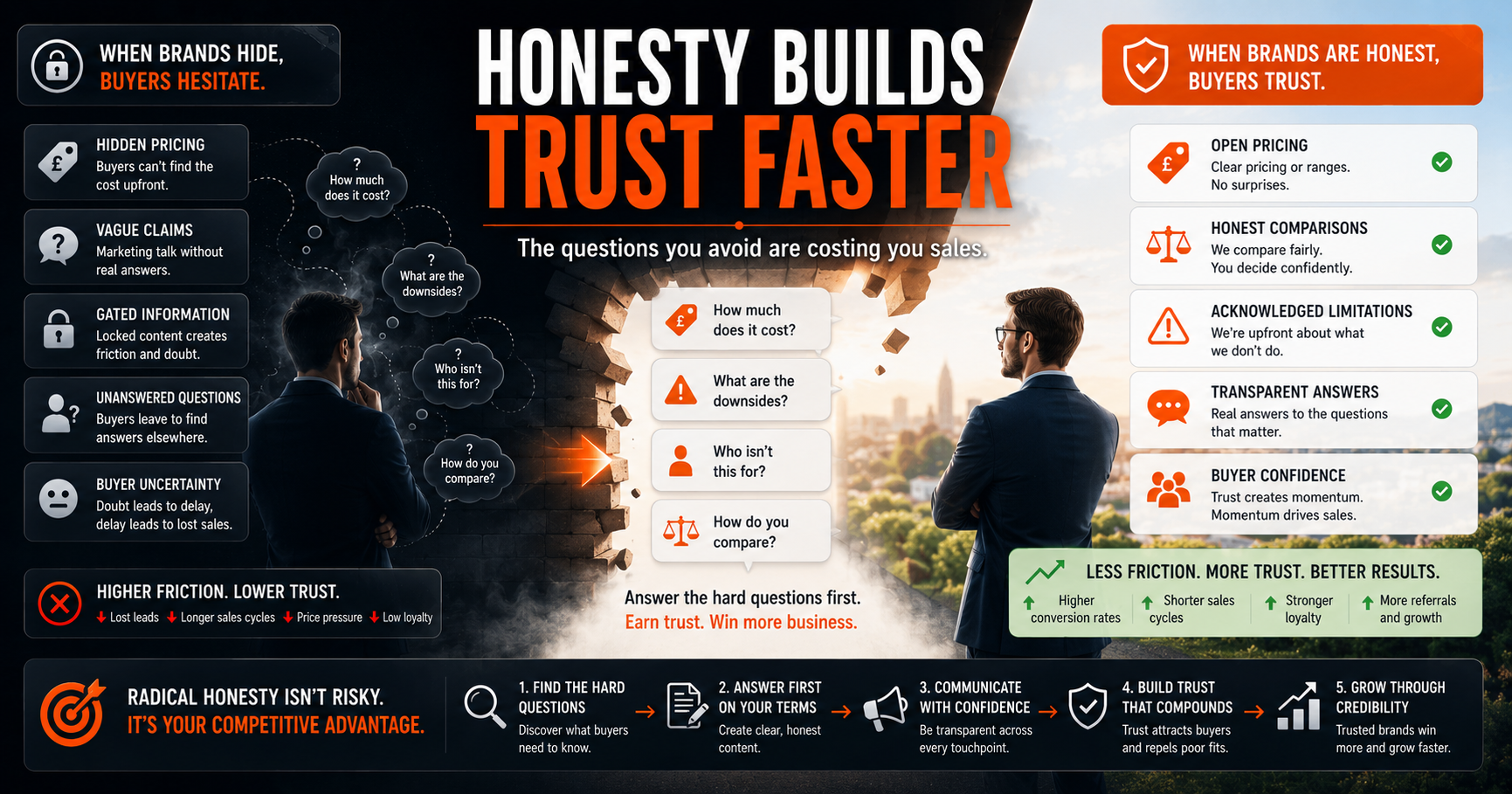
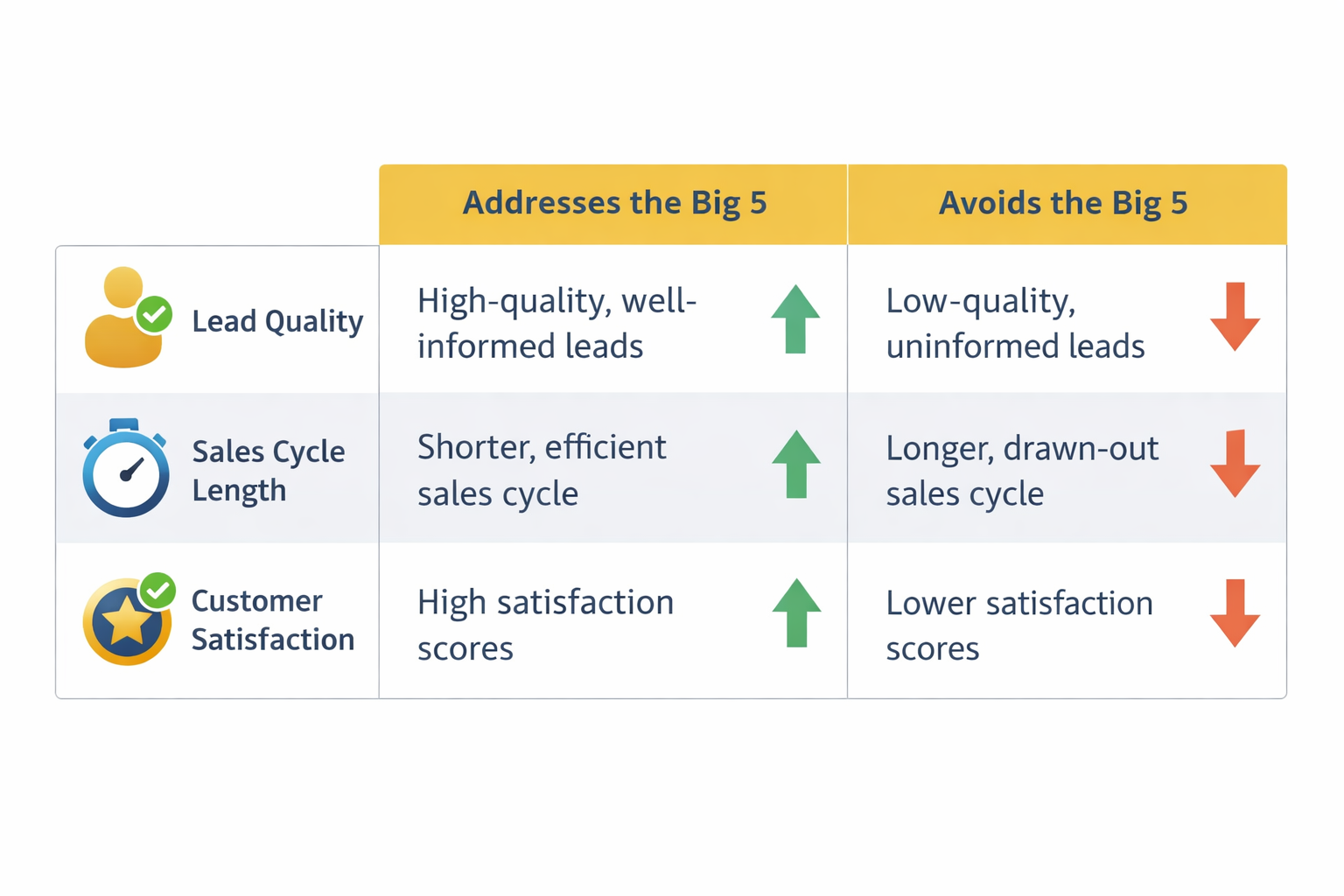
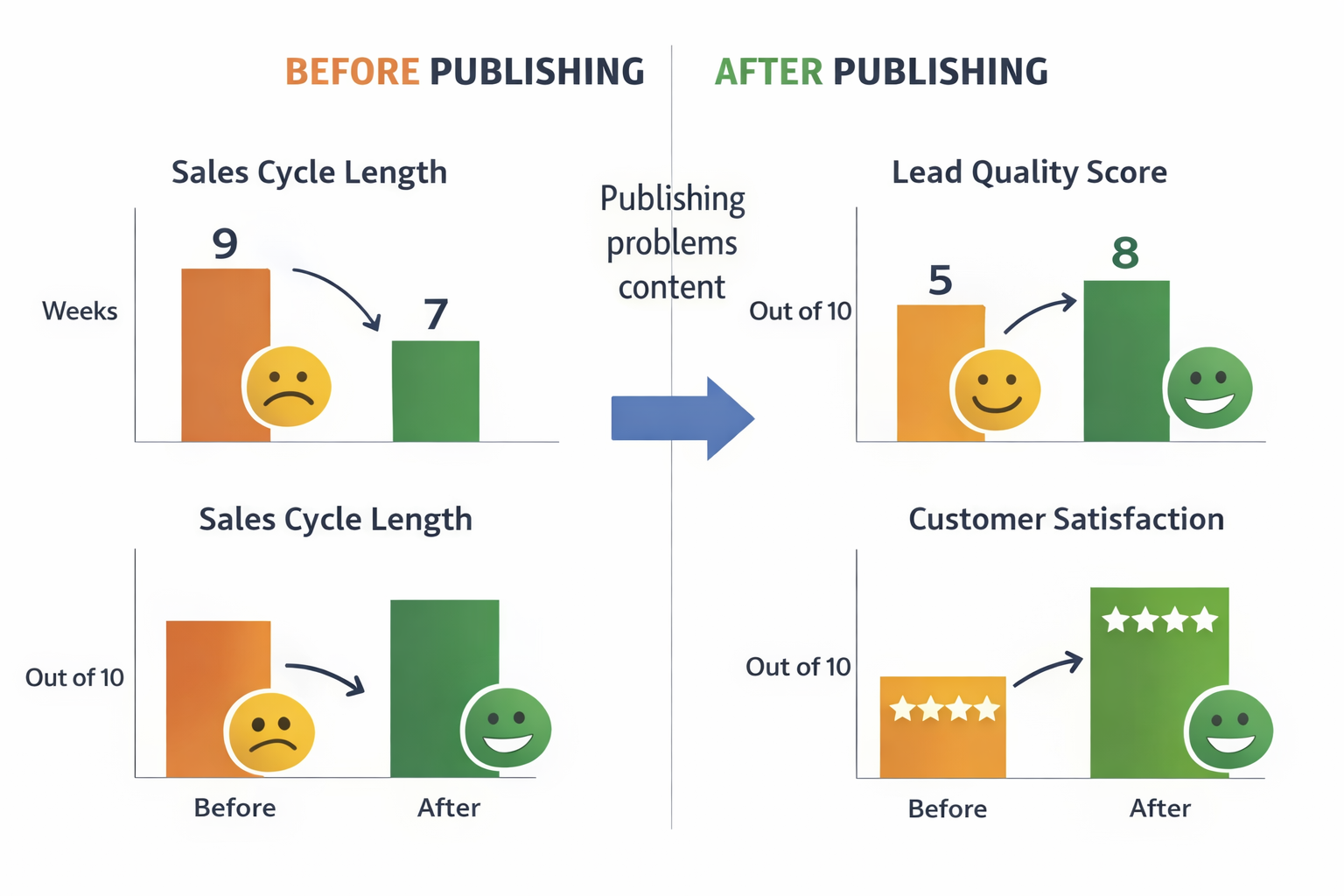
Being transparent about product limitations and challenges dramatically improves lead quality, shortens sales cycles, and increases customer satisfaction because prospects know exactly what they're getting.
This sounds backwards. Your instinct says: don't talk about problems. Don't give people reasons to say no.
But consider this: your customers will discover problems anyway, either through research, competitors, or after buying from you. The question is whether they learn about limitations before or after spending money.
When they learn beforehand, trust builds. When they learn afterwards, trust breaks.
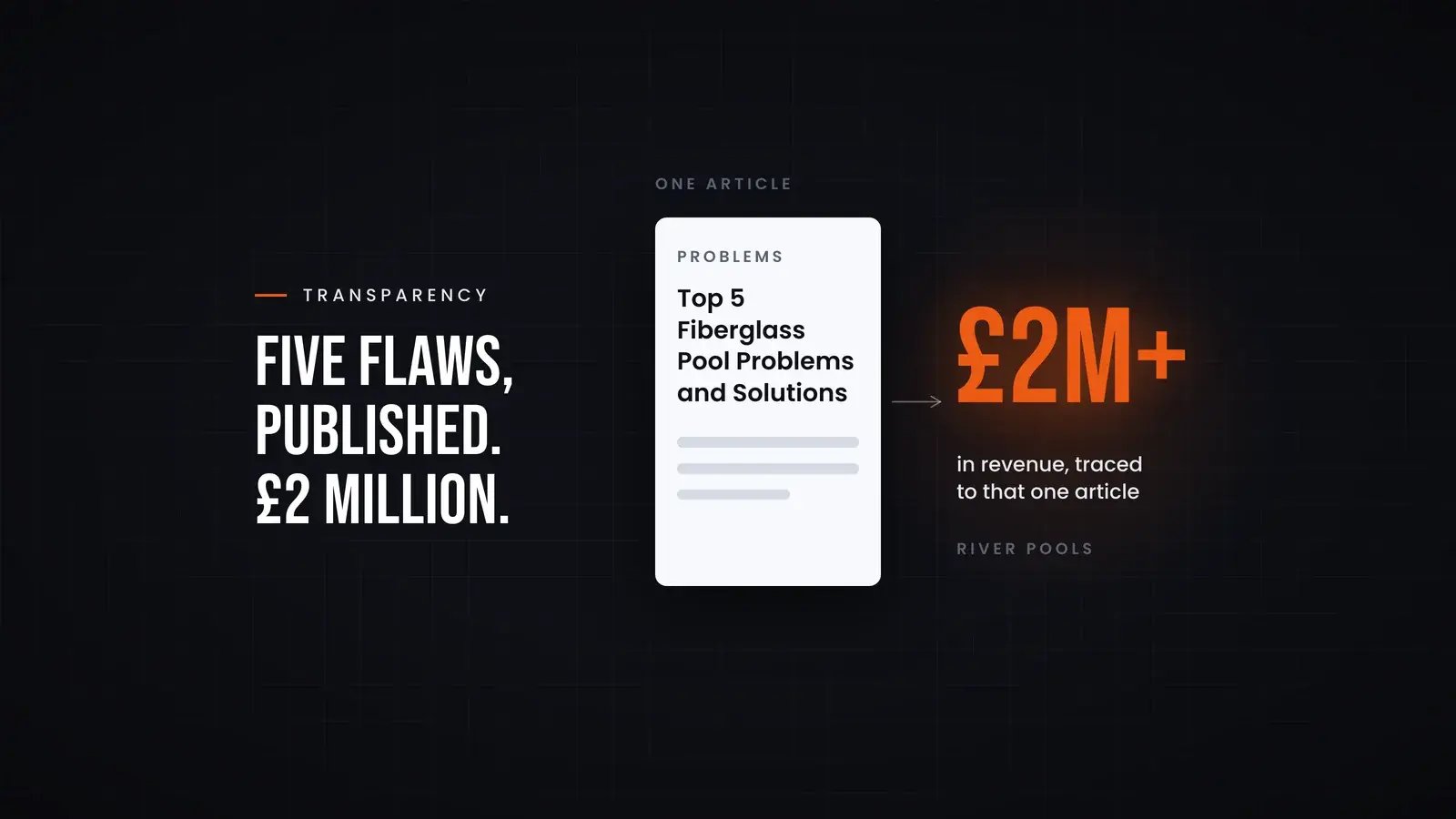
Marcus Sheridan proved this brilliantly. He wrote an article titled "Top 5 Fiberglass Pool Problems and Solutions," honestly discussing potential issues with the fiberglass pools he sells.
That single blog post has been attributed to at least £2 million ($2.5 million) in sales.
Why? Because people searching for "fiberglass pool problems" were already worried about potential issues. Marcus didn't create those concerns—he addressed them honestly. By acknowledging problems and providing solutions, he demonstrated integrity whilst becoming their trusted source.
The same pattern repeats across industries:
- Sheffield Metals ranks #1 for "problems with metal roofs" with a video that's generated over 200,000 views
- KR Group's article on "Problems with Cisco Umbrella" is their second most-viewed page
- Companies addressing limitations see higher-quality leads who understand exactly what they're buying
This is the counterintuitive power of disarmament—where addressing your weaknesses becomes your greatest strength.
What trust-building content actually looks like in practice
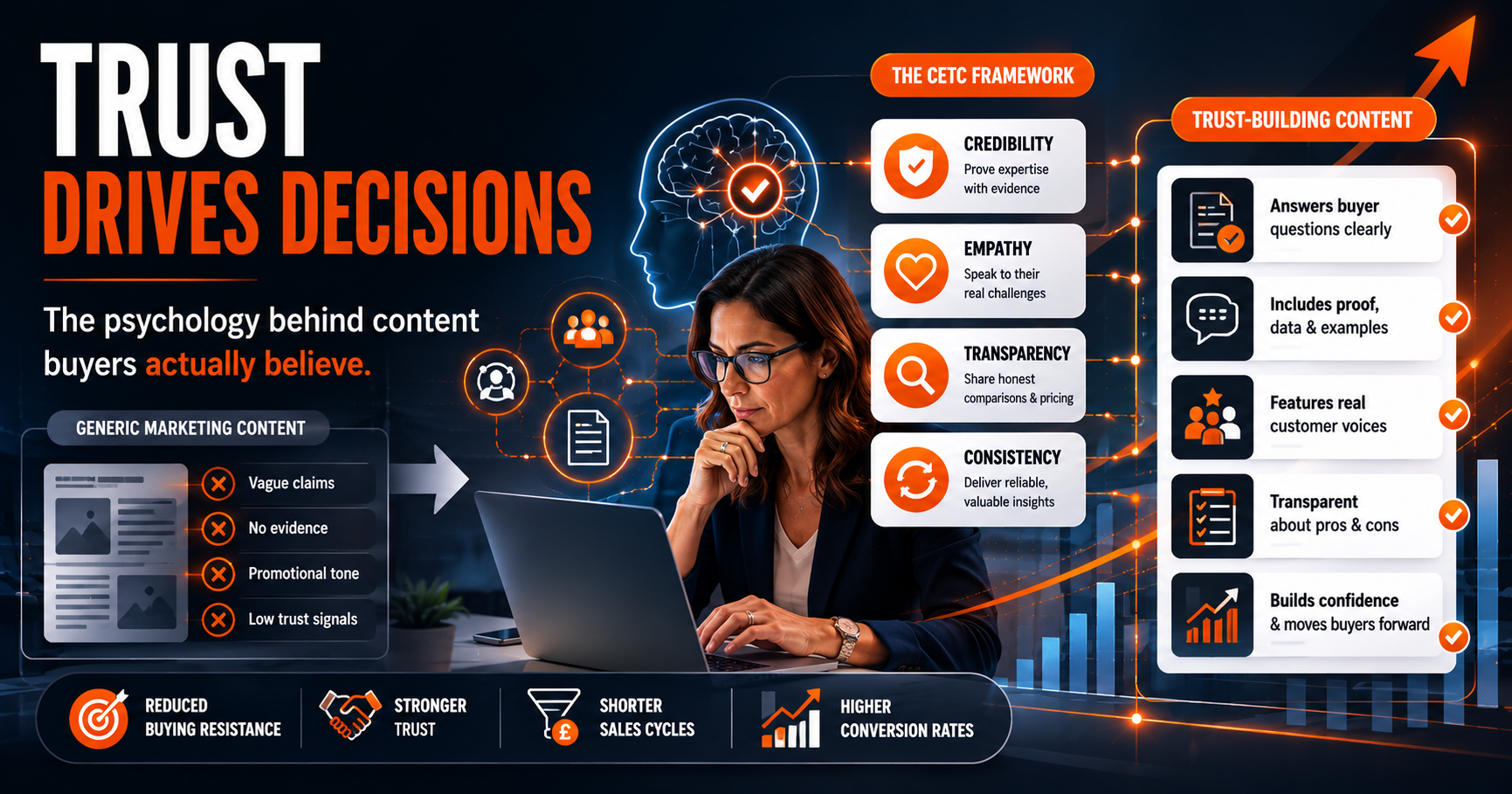
Trust-building content answers your audience's real questions directly and honestly, even when those answers reveal limitations or challenges with your products or services.
This requires a fundamental shift in thinking.
Stop asking: "How do we get more traffic?"
Start asking: "How do we become the most helpful resource in our industry?"
Here's what trust-building content includes:
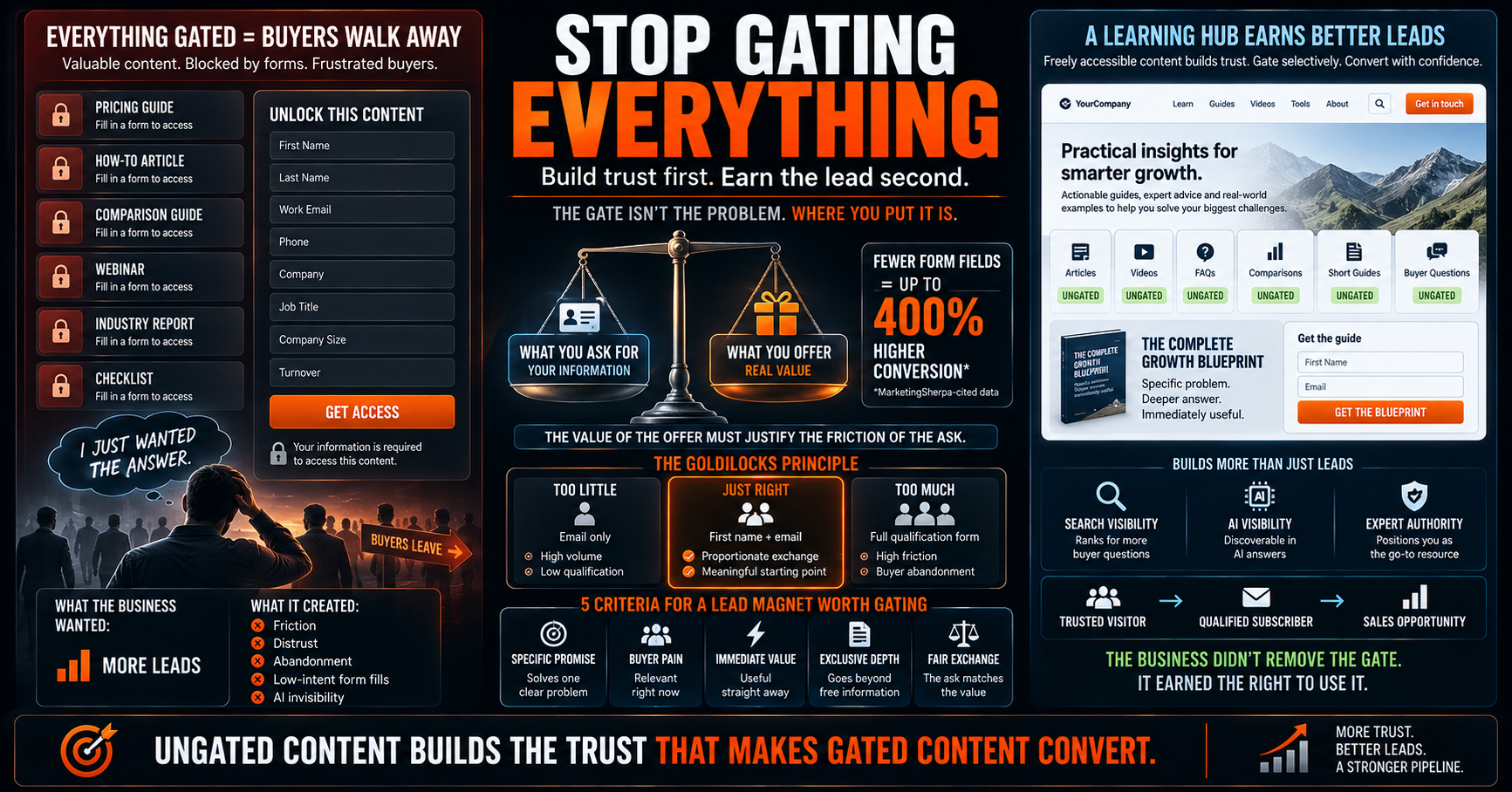
- Direct answers to questions people actually ask without making them hunt through promotional fluff
- Honest discussion about when your solution isn't the right fit so people can self-select in or out
- Transparent pricing information instead of forcing everyone through "contact us for a quote"
- Real problems addressed head-on, not hidden away or glossed over
- Genuine comparisons that acknowledge competitors' strengths alongside your own
- Clear structure that makes information easy to find through scannable headers and logical organisation
The shift feels uncomfortable at first. You'll worry that honesty will drive people away.
The opposite happens. When you respect your audience's intelligence and address their concerns honestly, you build the foundation for lasting business relationships.
How to optimise content so AI search tools recommend you
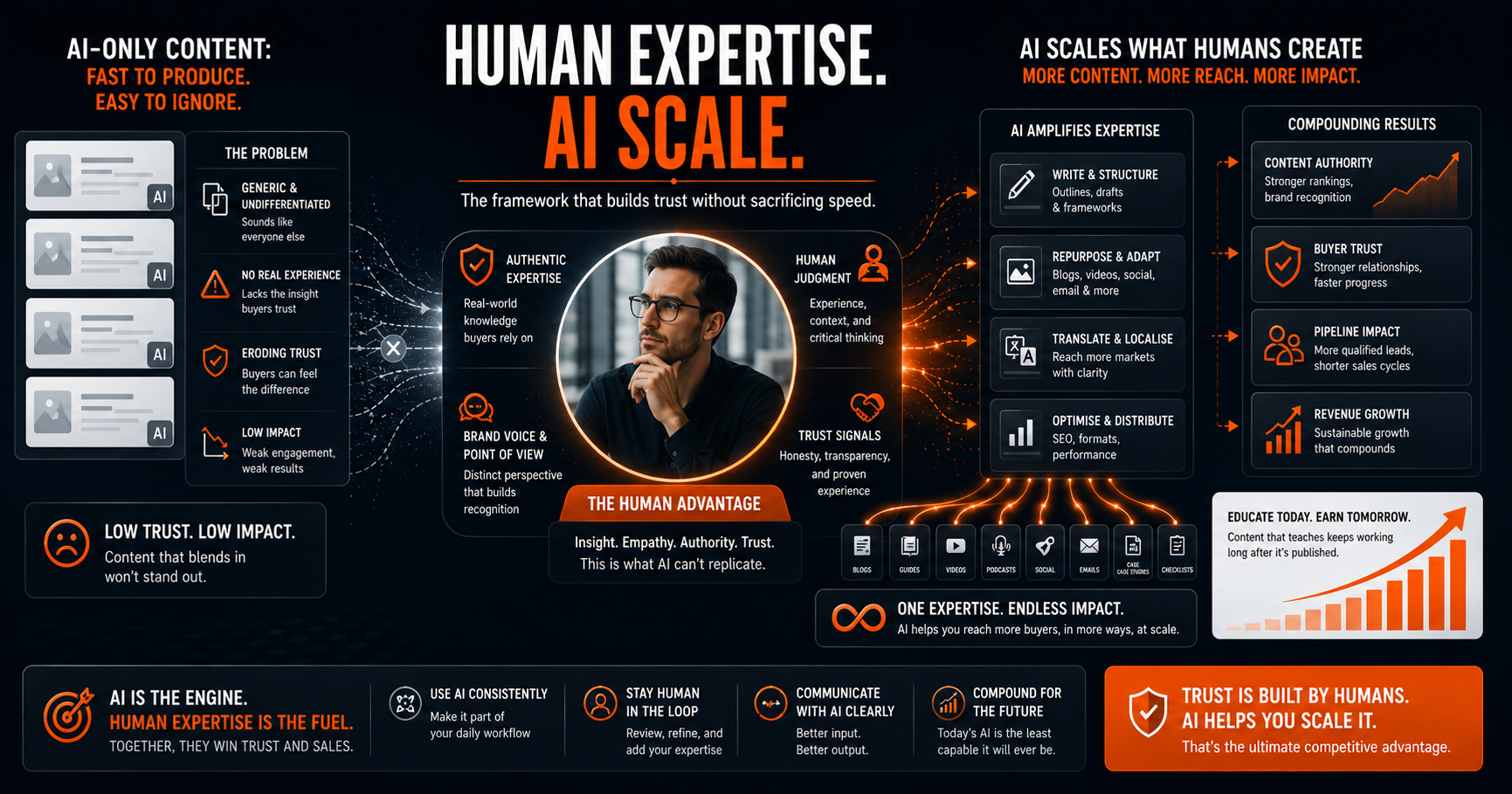
AI search tools prioritise content that demonstrates genuine expertise, provides direct answers to questions, and includes clear structure with natural-language headings that can be easily extracted and cited.
This isn't about gaming a new system. It's about creating content that serves both humans and AI.
Success requires focusing on depth over breadth, establishing authority through demonstration rather than declaration, and creating trust signals that algorithms can recognise and reward.
Structure for clarity and extraction:
- Use clear, question-based headings that match how people actually speak
- Provide direct, concise answers at the start of each section
- Include supporting detail for those who want deeper understanding
- Add tables, lists, and structured data that AI can easily parse
Demonstrate expertise through specifics:
- Show your working; explain the thinking behind recommendations
- Include specific examples and case studies with actual numbers
- Cite credible sources and provide context
- Address nuances and exceptions, not just simplified rules
Build citeable, authoritative content:
- Create criteria-based best-in-class lists that include yourself alongside competitors
- Develop comprehensive comparison content that AI tools can reference
- Publish definitive guides on topics within your expertise area
- Make your content quotable with clear, authoritative statements backed by evidence
When Shasta Pools published "The Top 6 Pool Builders in Arizona in 2026," they included themselves alongside competitors with detailed comparison charts. The result? ChatGPT started recommending them when users asked for the best pool builders in Arizona.
That's the power of educational content that demonstrates authority rather than just claiming it.
What to measure when clicks are no longer the primary goal
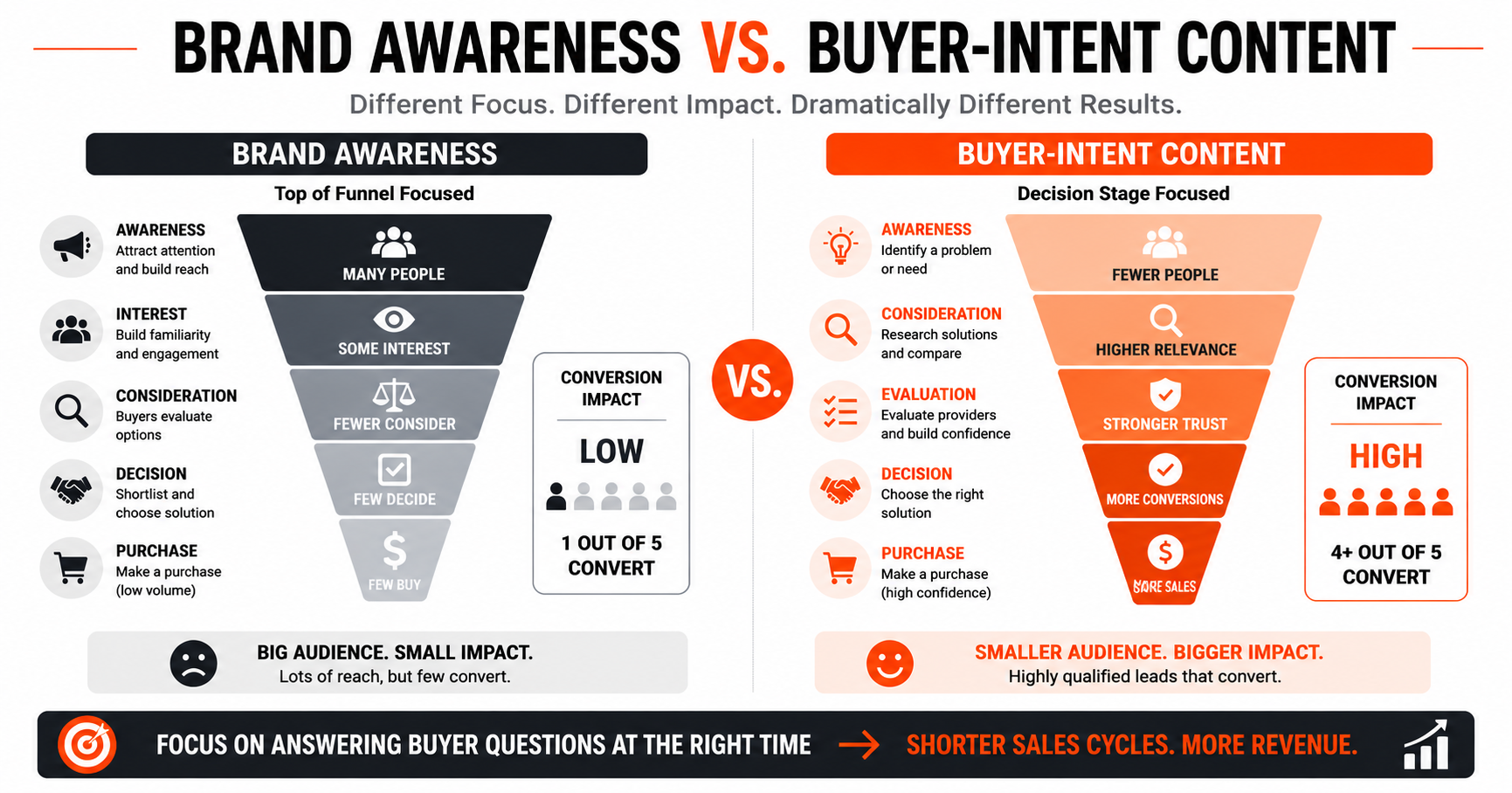
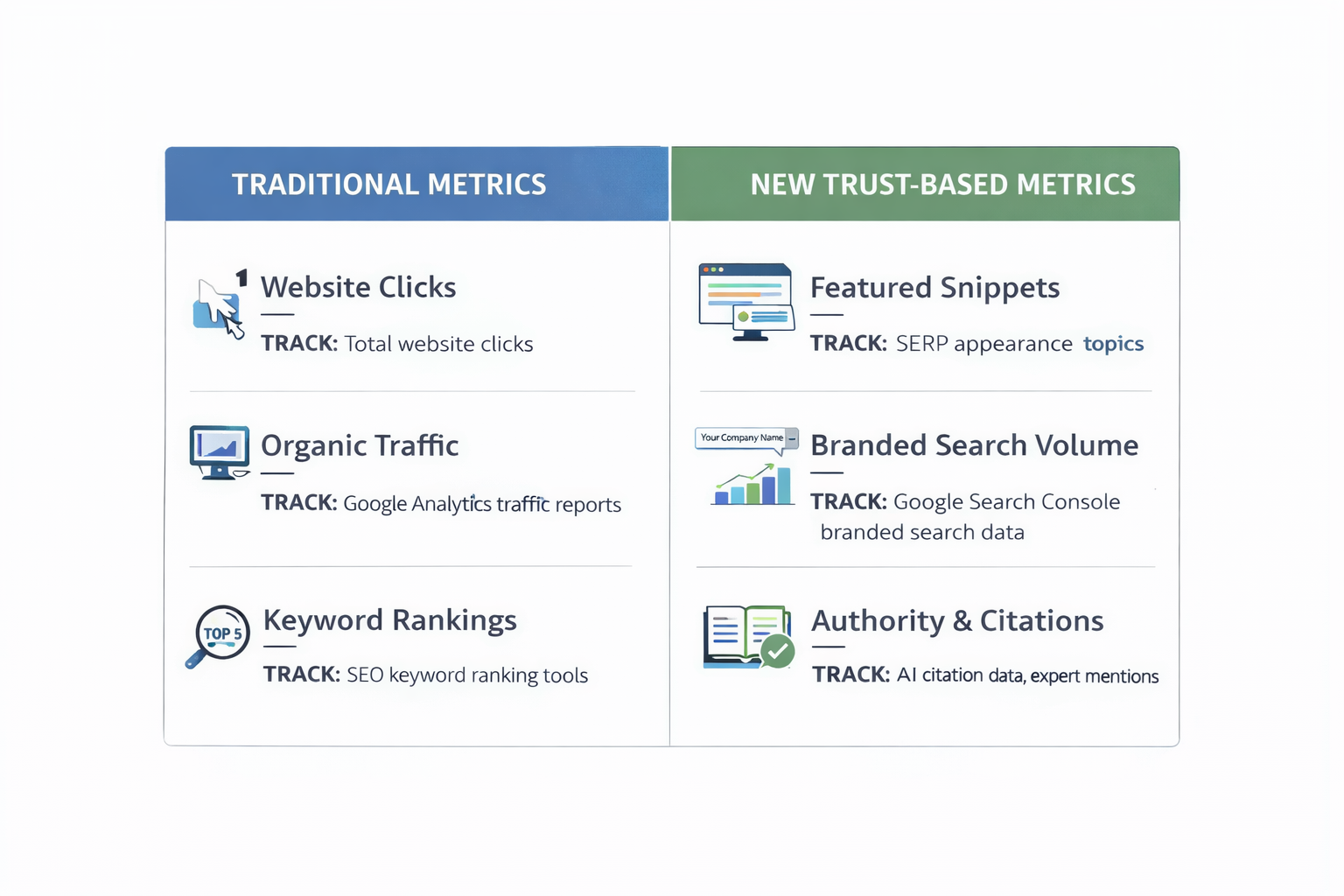
Success in the zero-click era must be measured through brand visibility metrics like featured snippet appearances, brand authority indicators like expert recognition and citations, and trust signals like branded search growth.
Traffic numbers no longer tell the complete story.
When someone searches specifically for your brand after encountering your zero-click content, that's a powerful indicator that you've built trust—even without an initial website visit.
Here's what to track instead:
Visibility Metrics:
- Featured snippet appearances for target topics
- AI tool citations and recommendations
- Knowledge panel presence
- Position zero rankings
Authority Indicators:
- Branded search volume growth (people searching for your company name specifically)
- Direct traffic increases (people typing your URL directly)
- Social mentions and shares
- Industry citations and references
Trust Signals:
- Engagement with zero-click content (impressions without clicks that lead to later branded searches)
- Time spent on pages when people do visit
- Return visitor rates
- Conversion rates from branded searches vs generic searches
The businesses struggling with zero-click search are those still measuring success purely through clicks. The businesses thriving are those tracking how often they become the trusted answer, regardless of where that answer appears.
Your goal isn't just to get clicked. It's to become the brand people trust when they need help.
Why this is the best moment to build a trusted brand
As AI-generated content floods the market and consumer trust in brands continues to decline, businesses that commit to transparency and genuine helpfulness have an unprecedented opportunity to stand out.
The internet is drowning in mediocre content. AI tools make it easier than ever to publish thousands of words, most of them generic, unhelpful, and forgettable.
But this creates opportunity.
Your customers are tired of being sold to. They're exhausted by content that promises everything and delivers nothing. They're suspicious of brands that refuse to acknowledge limitations or discuss real challenges.
They're hungry for honesty.
When you become the business willing to be radically transparent—to answer hard questions, discuss problems, acknowledge competitors—you separate yourself from everyone else in your space.
The gap between trusted brands and everyone else is widening. The brands investing in trust today will dominate their industries tomorrow.
If your business relies solely on transactional, high-volume traffic with extremely short sales cycles, this trust-building approach may require a longer ramp-up period than traditional traffic generation tactics. The payoff comes in dramatically improved lead quality and sales efficiency over time.
Where to start: from traffic-chasing to trust-building
You've seen how the search landscape has shifted—away from clicks and towards trust. Zero-click searches aren't destroying opportunities; they're redefining where those opportunities occur.
The businesses thriving today answer real questions honestly, address the Big 5 topics competitors avoid, and build authority through genuine helpfulness rather than promotional content. They've stopped chasing traffic and started building trust.
Your path forward:
Start by addressing one question your customers actually ask. Be honest about one limitation your competitors won't discuss. Create one piece of content designed to help rather than sell.
Those small steps compound into something powerful: trust.
Your customers are searching for answers right now. They'll find those answers somewhere. The only question is whether they'll find them from you, and whether they'll trust you enough to remember your name when they're ready to buy.
This article itself demonstrates the "Problems" approach from the Big 5 framework—addressing limitations with traditional SEO honestly whilst showing you what works instead.
Want to dive deeper into the Big 5 framework? Read this comprehensive guide on implementing each content category in your business, from writing your first pricing page to creating comparison content that positions you as the trusted expert.
If you're struggling to implement this approach internally
After working with businesses across multiple industries and revenue models as they've navigated this shift, I've seen what works, and what doesn't, when implementing trust-based content strategies.
If you're facing resource constraints, expertise gaps, or simply need an outside perspective to make this happen, I work with companies to implement systematic content strategies that prioritise transparency and genuine value. Whether you need complete marketing leadership, strategic guidance, or team training on these frameworks, let's discuss how to make your marketing actually work.

Topics: