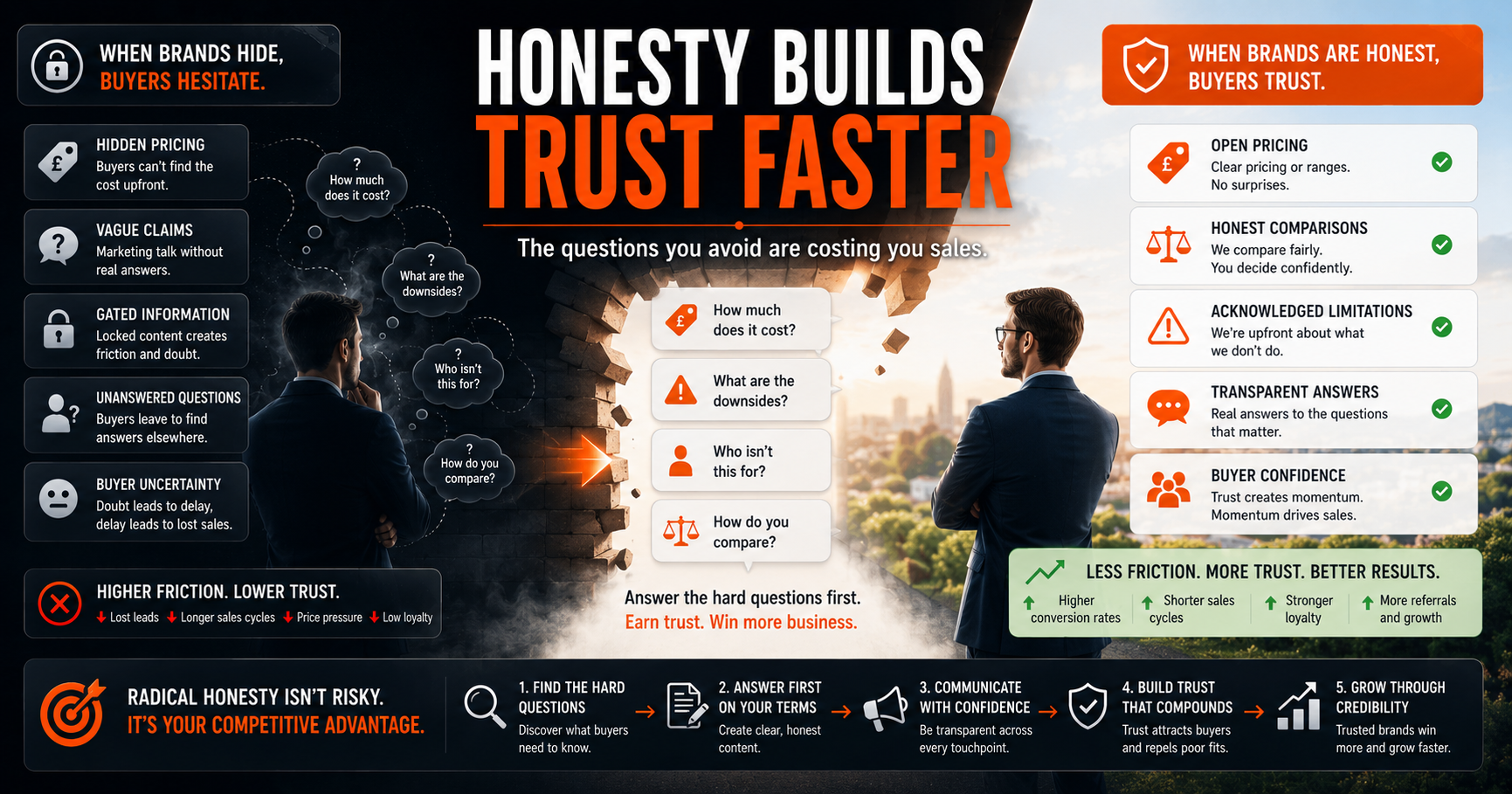
Are your buyers leaving without converting, even after visiting your website and reading your content? Do you find yourself wondering why well-qualified prospects go quiet right before making a decision?
If so, the problem is likely trust, specifically, the gap between what buyers need to know and what your brand is willing to say.
I have spent more than a decade working with businesses on content and marketing strategy. In that time, one pattern appears more consistently than any other: the brands that grow fastest are the ones willing to say what their competitors will not.
This article draws on that experience, and on the framework set out in my book, Build a Trusted Brand, to explain what radical honesty is, why it works psychologically, and how to put it into practice. Whether you run a small business or lead a marketing team, you will leave with a practical five-step framework you can start applying immediately.
Key Takeaways
- Radical honesty in business means proactively sharing what buyers need to know, including pricing, limitations, and honest competitor comparisons, before they have to ask.
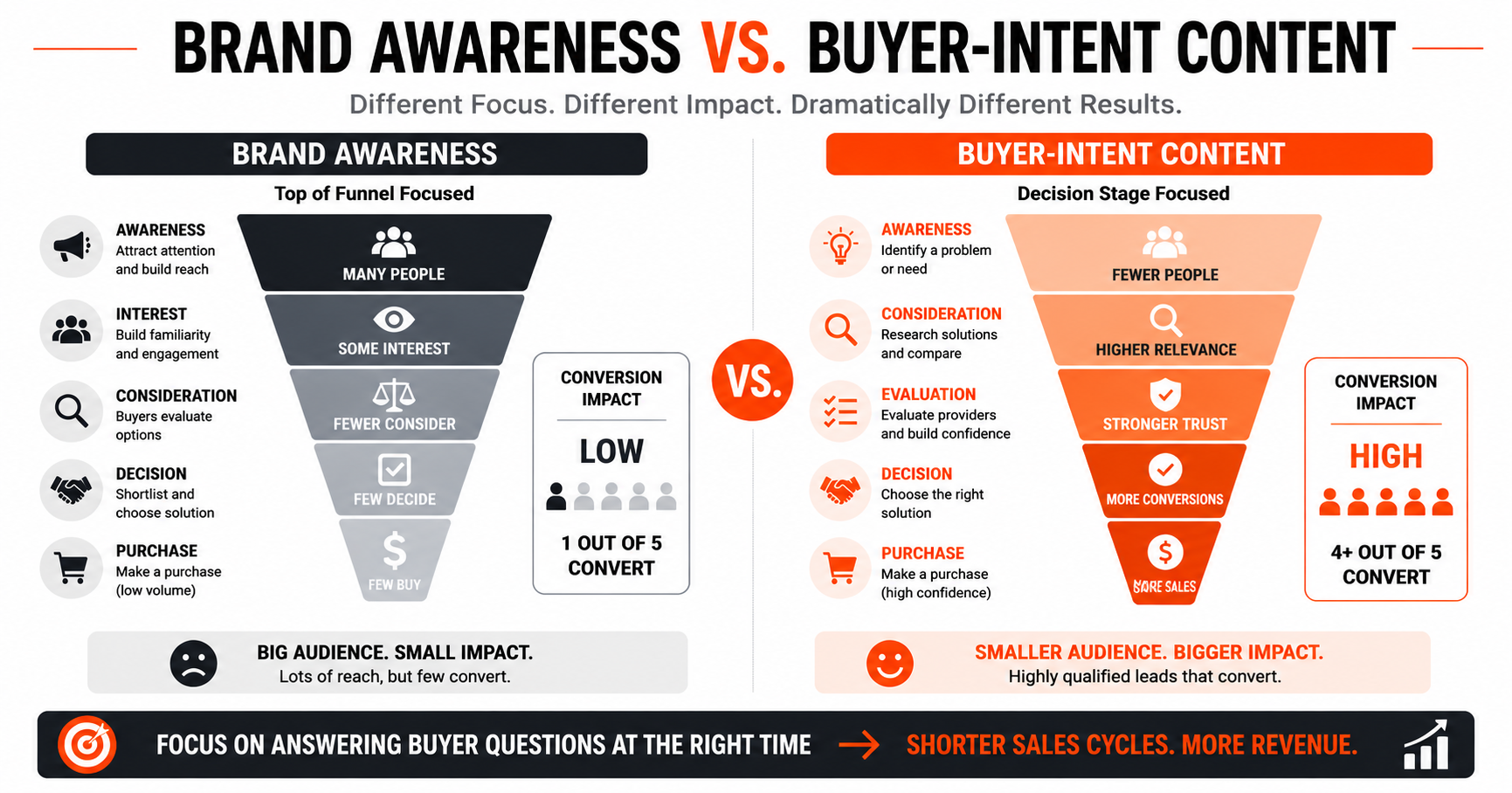
- Brands that practise radical honesty see higher conversion rates and stronger buyer loyalty because prospects arrive informed and pre-sold.
- The biggest misconception is that transparency makes you look weak; in reality, it signals confidence and integrity.
- Radical honesty is not oversharing; it is strategic transparency focused entirely on buyer-relevant information.
- Practising radical honesty starts with identifying the hard questions your competitors refuse to answer, then answering them first.
What is radical honesty in business?
Radical honesty in business means communicating with buyers in a way that is fully transparent, including about your flaws, limitations, and pricing, rather than relying on selective disclosure or marketing spin.
It is a deliberate content and brand strategy, not simply a personality trait. The idea is straightforward: answer the uncomfortable questions your buyers are already asking before they go somewhere else to find the answers.
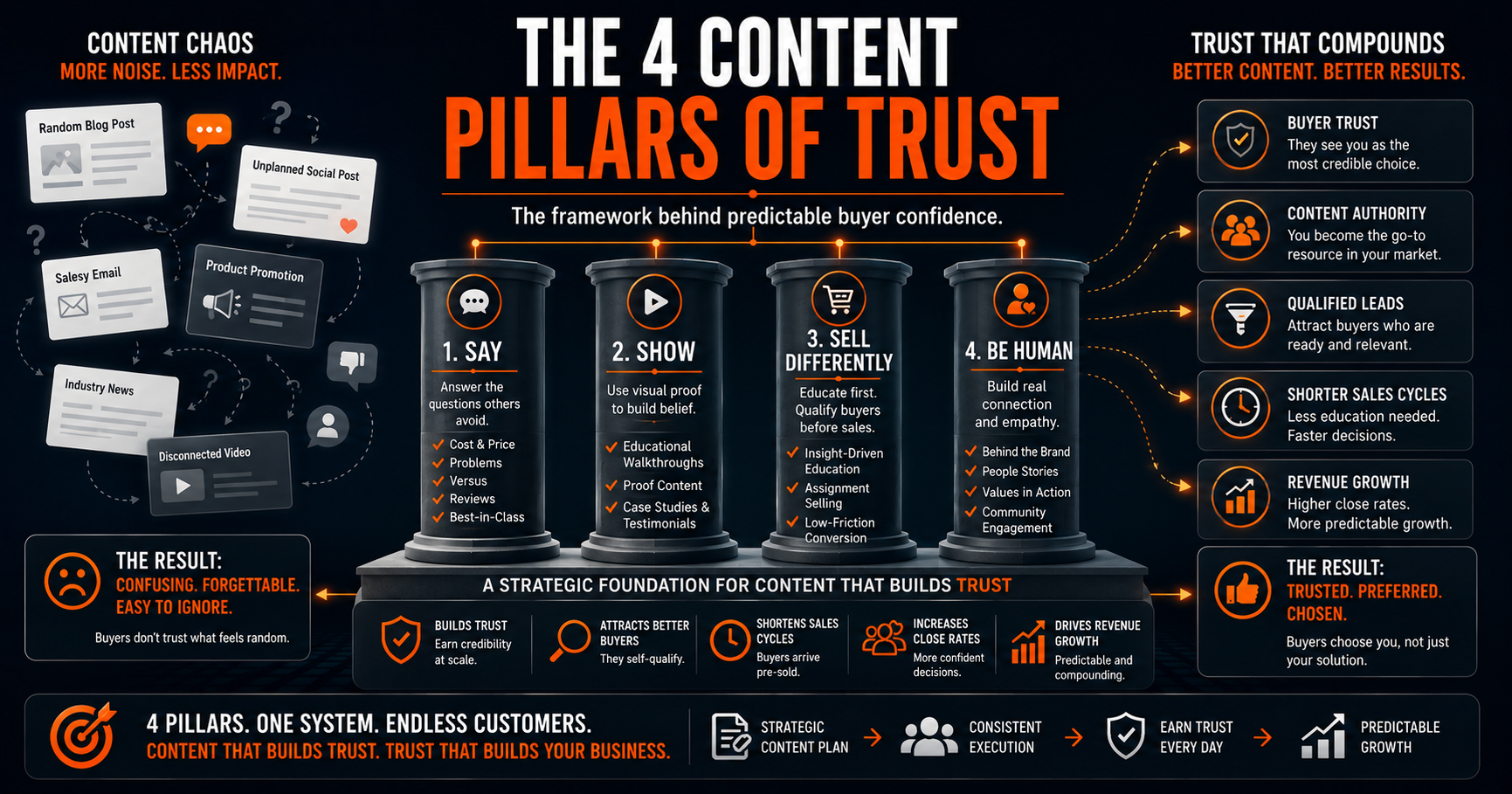
The concept is at the heart of Build a Trusted Brand, a practical guide to becoming the most credible voice in your market. It builds on the same philosophy championed by Marcus Sheridan, that the brands willing to talk openly about price, problems, and competitors are the ones buyers trust most.
Full disclosure: I wrote this book, but the framework it draws on is practised widely across industries and predates it.
The real cost of dishonesty: what brands lose by playing it safe
The cost of dishonesty in business is not outright fraud — it is the slow erosion of buyer trust caused by vague claims, hidden fees, and overpromised results.
Buyers who feel misled rarely return, and they often warn others. The damage compounds long after the original transaction.
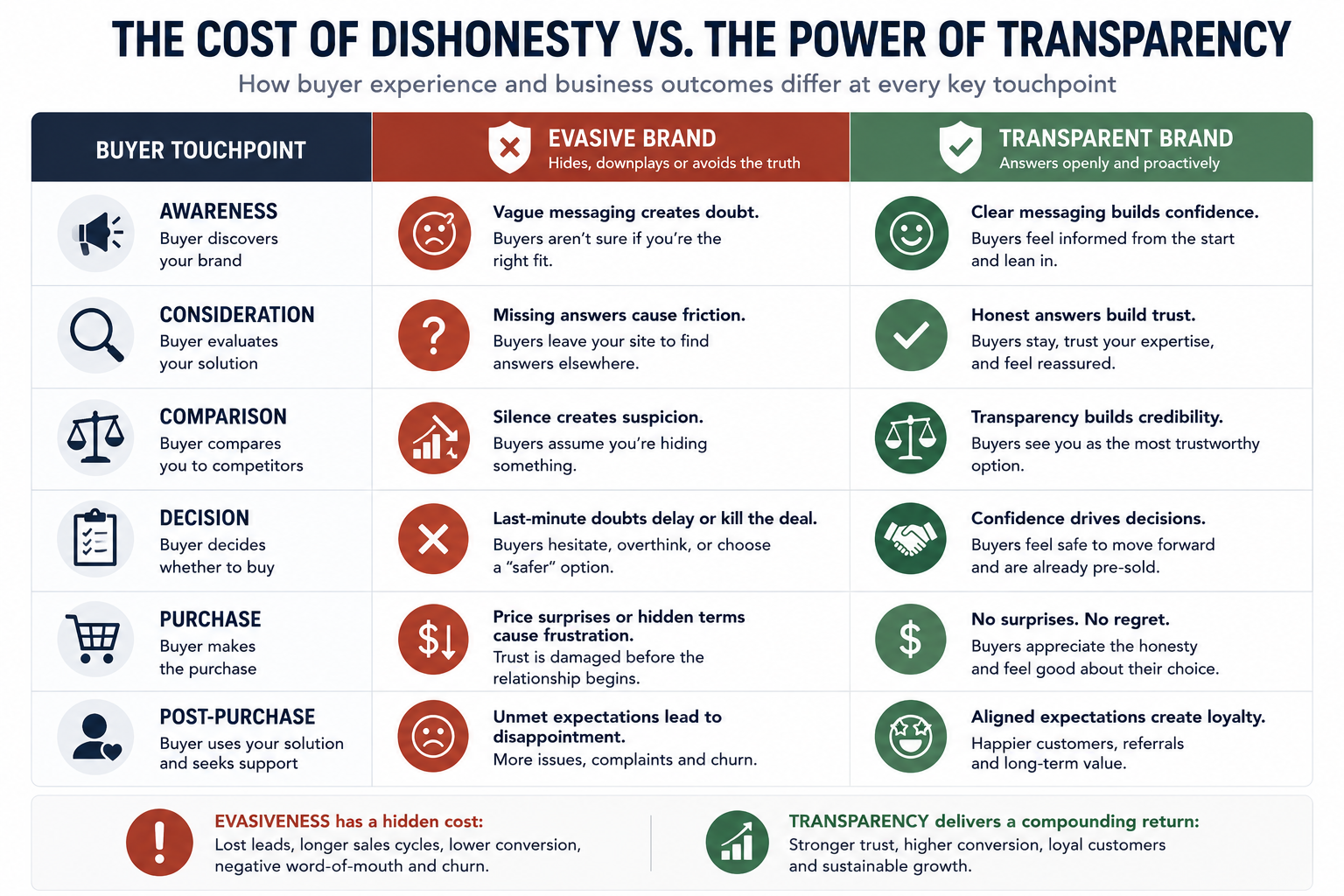
When buyers cannot find the answers they need on your site, they leave, and they do not come back.
Why radical honesty works: the psychology behind buyer trust
Radical honesty works because it removes the psychological friction buyers experience when they sense they are not getting the full picture.
When a brand volunteers its weaknesses before a prospect asks, it signals confidence and integrity, two qualities that consistently accelerate buying decisions. Buyers are not looking for perfection; they are evaluating whether your brand is safe to trust.
The moment a brand addresses a difficult question directly, it shifts from being a vendor to being a trusted adviser. That shift changes the entire sales dynamic. Buyers arrive at conversations already informed, already reassured, and far less likely to stall.

The biggest misconceptions about radical honesty
The most common misconception about radical honesty is that being transparent about your flaws will drive customers away; in reality, it consistently does the opposite.
Buyers already know no product or service is perfect. What they are evaluating is whether your brand is trustworthy enough to tell them the truth.
Here are the four most common fears, and why they do not hold up:
- "It will make us look weak." Acknowledging a genuine limitation signals self-awareness, not incompetence. See: Why Admitting Weaknesses Builds More Trust Than Bragging
- "It will hand ammunition to competitors." If your competitors are not being honest either, you are the one who gains the trust advantage.
- "Only large brands can afford to do this." Transparency costs nothing. It is the evasiveness that has a price, in lost leads and eroded credibility.
- "It means airing all our dirty laundry." Radical honesty is selective and strategic, not reckless disclosure. See the next section for that distinction.
Radical honesty vs. oversharing: where is the line?
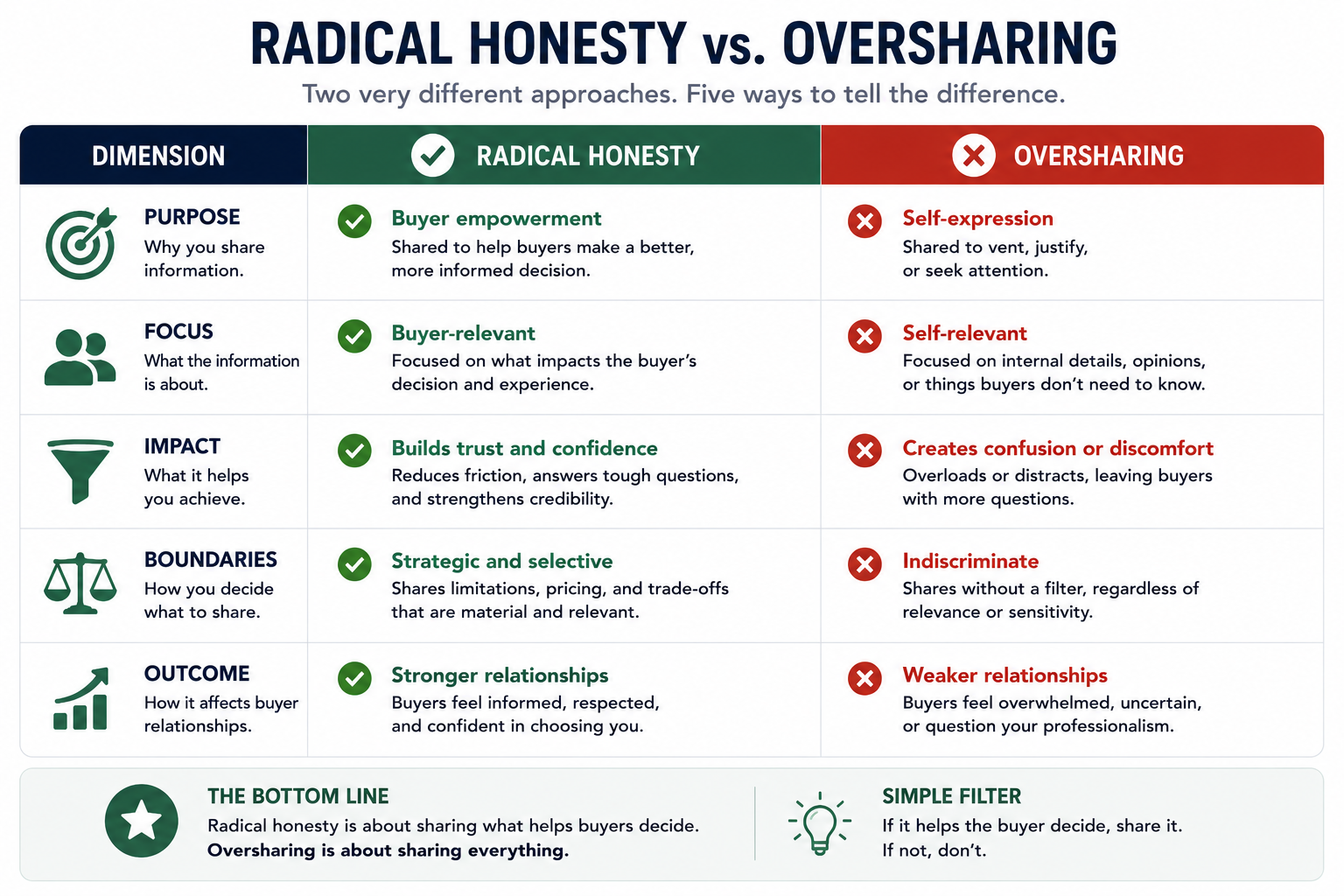
Radical honesty is not the same as oversharing; it means being fully transparent about information relevant to a buyer's decision, not every internal detail of your business.
The filter is simple: does this information help a buyer make a better decision? If yes, share it. If it is internal process detail, commercially sensitive, or irrelevant to the outcome a buyer is evaluating, it does not belong in your content. Pricing ranges, known limitations, and honest competitor comparisons all pass that test. Staff disputes, internal costs, and operational problems do not.
Strategic transparency builds trust; unfocused disclosure undermines it.
How to practise radical honesty: a 5-step guide
Practising radical honesty starts with identifying the questions your buyers are already asking but that your competitors refuse to answer.
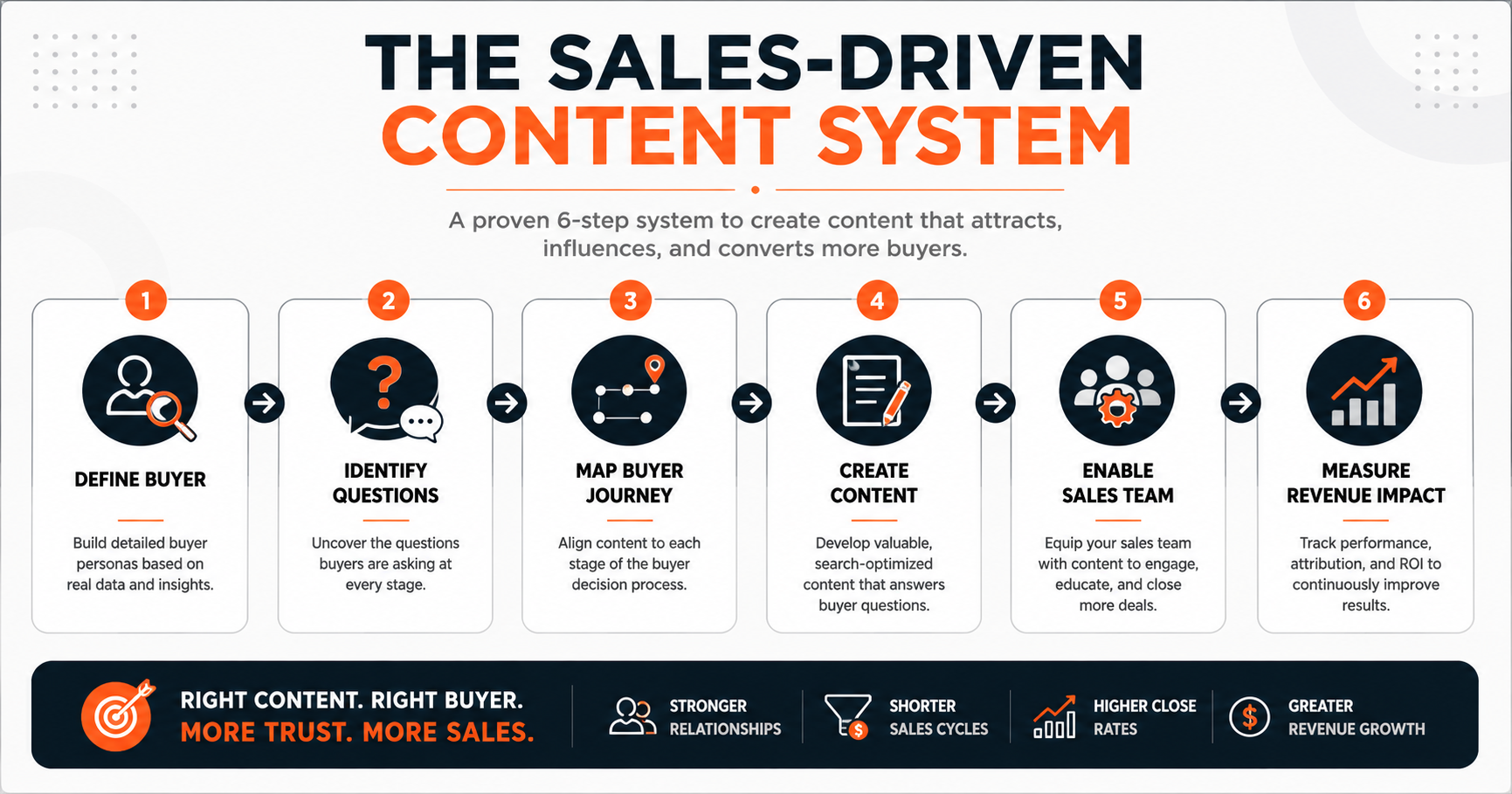
Work through these five steps to build transparency into your content strategy:
- List the hard questions: Ask your sales team what objections and concerns come up most often. Those are the conversations your content needs to have first. See: How to Transform Customer Questions Into Your Endless Content Engine
- Address pricing honestly" Publish price ranges, explain what drives costs up or down, and tell buyers what they get at each level. Exact figures are not always needed; context is.
- Acknowledge your limitations: Write content that explains who your product or service is not right for. This filters out poor-fit buyers and builds credibility with the right ones.
- Make honest competitor comparisons: Compare your offering to alternatives fairly. Buyers will do this research regardless; if you do it first, you control the framing and earn their trust.
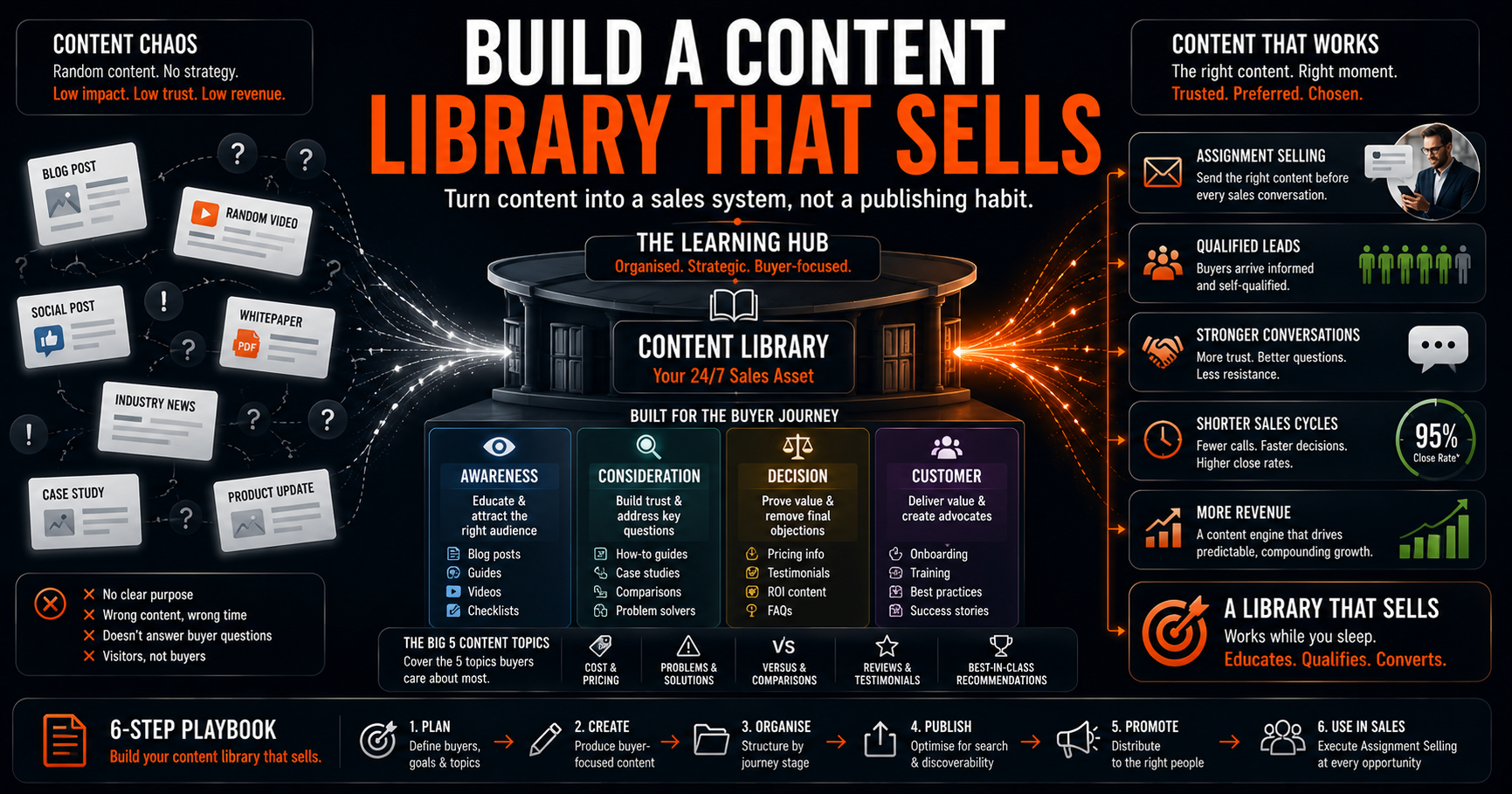
- Build a content system around honest answers: One honest article is a tactic. A library of honest answers is a strategy. Publish consistently and your brand becomes the go-to resource in your market. See: Build a Learning Hub, Not a Blog
What radical honesty looks like in practice
The brands that best demonstrate radical honesty publish transparent pricing, openly discuss product limitations, and compare themselves honestly to competitors.
Here is what that looks like in practice:
- Pricing pages with ranges and context: Rather than "get in touch," they show price brackets with an explanation of what drives variation.
- "Who this is not for" sections: Product pages that tell buyers directly when a competitor might suit them better.
- Honest review responses: Publicly acknowledging critical feedback and explaining what changed as a result.
- Competitor comparison content: Articles that fairly compare two options, including where they fall short.
These businesses consistently report stronger buyer trust and shorter sales cycles because prospects arrive pre-sold.
Frequently asked questions
Does radical honesty mean sharing everything about my business?
No. Radical honesty means sharing everything relevant to a buyer's decision. Internal operations and confidential commercial detail are not part of the equation. Focus on pricing, limitations, comparisons, and outcomes.
What if being honest makes my product look worse than a competitor's?
Buyers trust brands that tell them the truth even when it is inconvenient. If a competitor genuinely outperforms you in a specific area, acknowledging it makes you more credible in every other area. Brands that shy away from honest comparison lose the trust battle before it even starts.
Conclusion
You arrived here asking whether radical honesty actually works. The short answer is yes, but only when it is deliberate and buyer-focused.
You now know what radical honesty is, why it works psychologically, and how to distinguish it from reckless oversharing. More importantly, you have a five-step framework to start putting it into practice.
Your next step is to read The 5 Questions Every Customer Asks Before Buying, and How to Answer Them First. It shows you exactly which hard questions your buyers need answered, and how to build a content plan around them.

About the author
Tom Wardman is a content strategist, fractional marketing consultant, and the author of Build a Trusted Brand. He works with founder-led businesses to replace marketing dependency with in-house systems that generate consistent, measurable growth. His approach is grounded in a simple belief: the most powerful marketing strategy is also the most honest one.
Topics: